
How Anti-Inflammatory Drugs Work in the Body
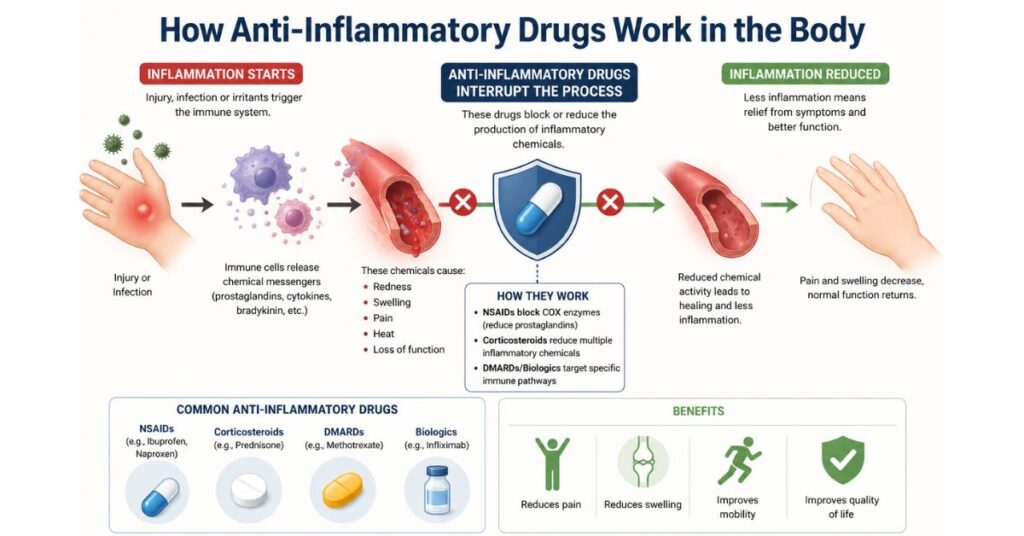
Anti-inflammatory drugs are medications designed to reduce inflammation, relieve pain, and improve overall comfort. Inflammation is the body’s natural response to injury, infection, or irritation, but when it becomes excessive or chronic, it can contribute to various health conditions. Anti-inflammatory drugs help control this response, making them essential in the treatment of many acute and chronic diseases.
There are two main types of anti-inflammatory drugs: nonsteroidal anti-inflammatory drugs (NSAIDs) and corticosteroids. NSAIDs, such as ibuprofen and aspirin, are commonly used to treat mild to moderate pain, swelling, and fever. Corticosteroids, on the other hand, are stronger medications often prescribed for severe inflammation, autoimmune conditions, and allergic reactions.
Anti-inflammatory drugs work by targeting specific pathways involved in the inflammatory process. NSAIDs primarily inhibit enzymes called cyclooxygenases (COX-1 and COX-2), which produce prostaglandins—chemicals that promote inflammation, pain, and fever. By blocking these enzymes, NSAIDs reduce prostaglandin production, thereby decreasing inflammation and associated symptoms.
Corticosteroids function differently by mimicking natural hormones produced by the adrenal glands, such as cortisol. These drugs suppress the immune system and reduce the release of inflammatory substances. As a result, they are highly effective in controlling conditions like asthma, arthritis, and autoimmune disorders where inflammation plays a central role.
Anti-inflammatory drugs are widely used to manage conditions such as arthritis, muscle injuries, headaches, and inflammatory diseases. However, long-term or excessive use can lead to side effects. NSAIDs may cause stomach irritation, ulcers, or kidney issues, while corticosteroids can lead to weight gain, weakened immunity, and hormonal imbalances if used for extended periods.
To ensure safe use, it is important to follow medical advice and use the lowest effective dose for the shortest duration necessary. Patients with underlying health conditions or those taking other medications should consult healthcare professionals before using anti-inflammatory drugs to avoid potential interactions or complications.
Conclusion:
Anti-inflammatory drugs play a vital role in managing pain and inflammation by targeting key biological pathways in the body. While they are highly effective, responsible use is essential to minimize risks and side effects. Understanding how these medications work can help patients make informed decisions and achieve better treatment outcomes.