
Human Growth Hormone (HGH) Treatment: Benefits, Risks, and Medicines Used in Therapy
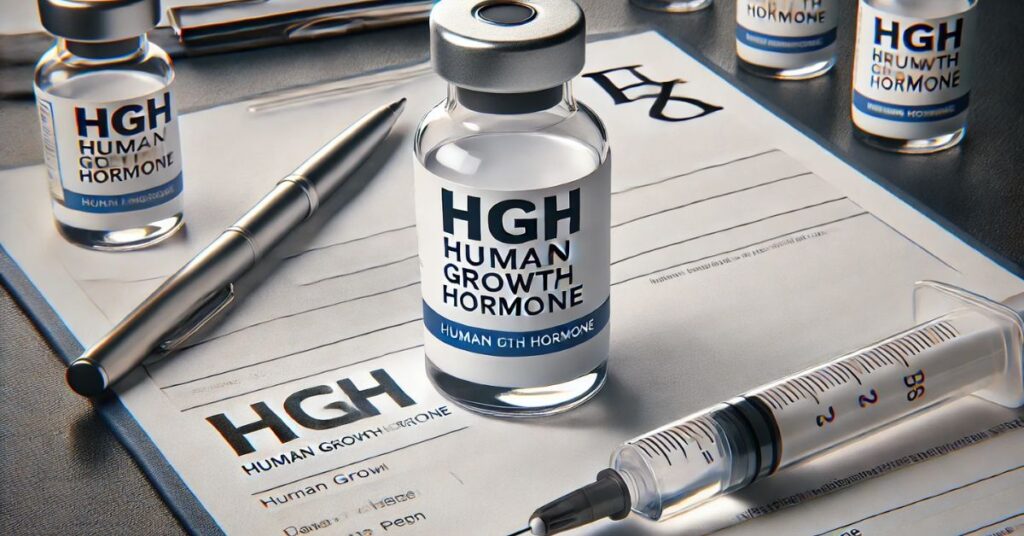
Human Growth Hormone (HGH) treatment has gained significant attention in recent years for its role in managing growth disorders, hormone deficiencies, and age-related conditions. HGH, scientifically known as somatotropin, is a naturally occurring hormone produced by the pituitary gland that plays a crucial role in growth, metabolism, muscle strength, and overall body composition. When the body does not produce enough HGH, it can lead to conditions such as growth hormone deficiency (GHD) in children and adults, delayed growth, reduced muscle mass, fatigue, and poor quality of life.
HGH therapy involves the use of synthetic forms of growth hormone to restore normal levels in the body. These treatments are medically prescribed and carefully monitored by healthcare professionals. One of the most commonly used medications in HGH therapy is somatropin, which is available under several brand names such as Genotropin, Norditropin, Humatrope, and Saizen. These medications are administered via injection and are designed to mimic the body’s natural hormones.
HGH treatment is primarily used for children with growth disorders such as Turner syndrome, Prader-Willi syndrome, and chronic kidney disease, as well as adults with confirmed growth hormone deficiency. In adults, HGH therapy can help improve muscle mass, bone density, metabolism, and energy levels. However, it is important to note that HGH is not approved for anti-aging or bodybuilding purposes in most countries, and misuse can lead to serious health risks.
The benefits of HGH therapy include improved physical performance, better body composition, enhanced recovery, and increased overall vitality. Patients often report improved mood, better sleep, and higher energy levels. Despite these benefits, HGH treatment must be used cautiously, as it may cause side effects such as joint pain, swelling, insulin resistance, and increased risk of certain medical conditions if misused or taken without medical supervision.
Before starting HGH therapy, doctors typically perform blood tests and stimulation tests to confirm hormone deficiency. Treatment plans are personalized based on age, medical history, and severity of deficiency. Regular monitoring is essential to ensure safe and effective outcomes.
In addition to medication, lifestyle factors such as proper nutrition, regular exercise, stress management, and adequate sleep play a crucial role in supporting natural HGH production. Combining medical treatment with a healthy lifestyle can significantly enhance results and overall well-being.
Conclusion:
Human growth hormone treatment is a powerful medical therapy for individuals with genuine hormone deficiencies and growth-related conditions. While medications like Somatropin and its branded forms offer effective results, they should only be used under strict medical supervision. Misuse or self-prescription can lead to serious health complications. For the best outcomes, HGH therapy should be combined with a healthy lifestyle and guided by a qualified healthcare professional.