
The Impact of Screen Time on Physical and Mental Health
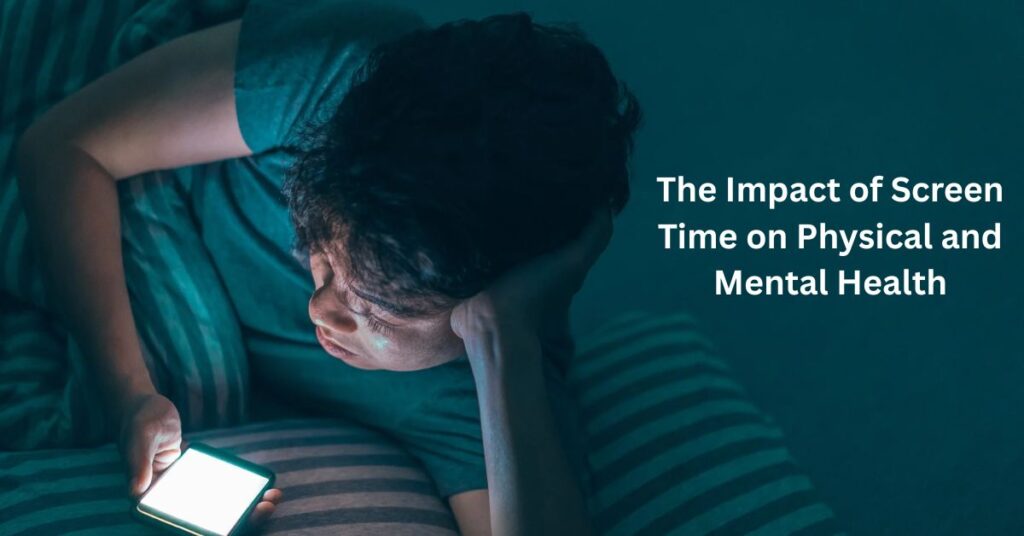
In the modern digital era, screen time has become an unavoidable part of daily life. Whether for work, education, or entertainment, individuals spend several hours a day on smartphones, laptops, tablets, and televisions. While technology offers convenience and connectivity, excessive screen exposure can significantly impact both physical and mental health, leading to a range of short-term and long-term complications.
One of the most common physical effects of prolonged screen use is digital eye strain, often referred to as computer vision syndrome. Symptoms include dry eyes, blurred vision, headaches, and eye fatigue. Continuous exposure to blue light emitted by screens can disrupt the body’s natural circadian rhythm, affecting sleep quality. Poor sleep, in turn, can lead to fatigue, reduced productivity, and weakened immunity. Over time, this may contribute to chronic sleep disorders.
Excessive screen time is also closely linked to sedentary behavior, which reduces physical activity and slows metabolism. This increases the risk of weight gain, obesity, and metabolic conditions such as type 2 diabetes. Additionally, poor posture while using digital devices can result in musculoskeletal problems, including neck pain, back pain, and repetitive strain injuries. Conditions like “tech neck” are becoming increasingly common among office workers and young adults.
Mental health is equally affected by prolonged screen exposure. Constant engagement with digital platforms, especially social media, can lead to increased stress, anxiety, and depression. The continuous influx of information and notifications can overwhelm the brain, reducing attention span and impairing cognitive function. Furthermore, excessive screen use may contribute to social isolation and decreased real-world interactions, which are essential for emotional well-being.
Children, teenagers, and office workers are particularly vulnerable to the negative effects of screen time. For younger individuals, excessive use can impact cognitive development, behavior, and academic performance. For adults, especially those working long hours in front of screens, the risks include burnout, reduced productivity, and chronic health conditions.
Managing screen time effectively is essential to minimize these risks. Simple strategies such as taking regular breaks, maintaining proper posture, adjusting screen brightness, and limiting screen exposure before bedtime can significantly improve overall health. Incorporating physical activity, outdoor time, and digital detox practices can also help restore balance.
In cases where symptoms become severe, medical intervention may be necessary. For example, artificial tears are commonly used to relieve dry eyes caused by prolonged screen use. For individuals experiencing sleep disturbances, doctors may recommend melatonin to regulate sleep cycles under professional supervision. In cases of chronic pain or inflammation, medications such as ibuprofen may be prescribed to manage discomfort.
Conclusion:
Excessive screen time can have a profound impact on both physical and mental health, leading to issues such as eye strain, sleep disturbances, poor posture, and increased stress levels. While medications like artificial tears, melatonin, and ibuprofen can help manage symptoms when necessary, the most effective approach is prevention. By adopting healthy habits, limiting screen exposure, and prioritizing overall wellness, individuals can enjoy the benefits of technology without compromising their health.