
What Is Fatty Liver Disease? Causes, Risks, and Treatment
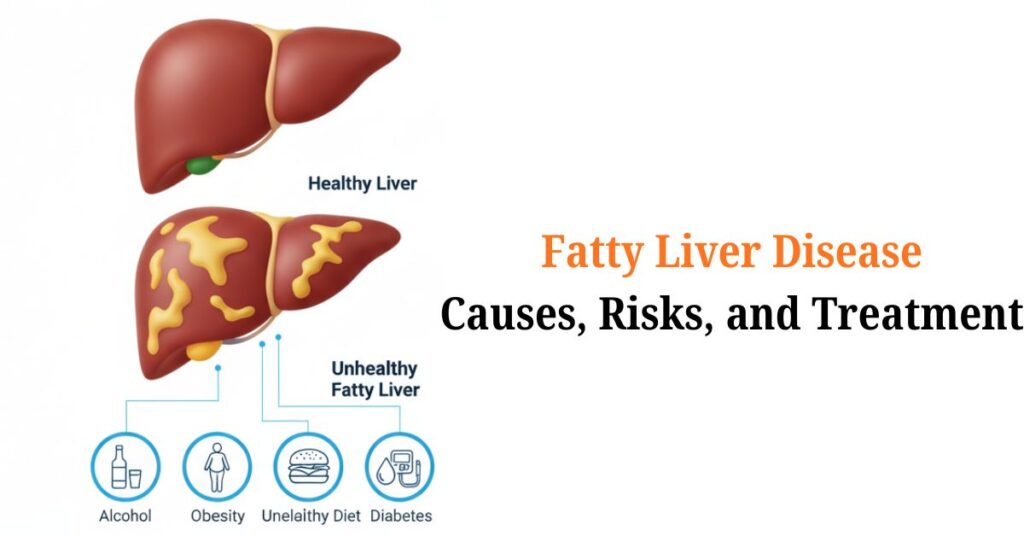
Fatty liver disease is a growing health concern worldwide, especially due to changing lifestyles, unhealthy diets, and increasing rates of obesity. It occurs when excess fat accumulates in liver cells, affecting the liver’s ability to function properly. In its early stages, fatty liver disease may not show noticeable symptoms, but if left untreated, it can progress to serious conditions such as liver inflammation, fibrosis, or even cirrhosis.
There are two main types of fatty liver disease: alcoholic fatty liver disease (AFLD) and non-alcoholic fatty liver disease (NAFLD). AFLD is caused by excessive alcohol consumption, while NAFLD is more commonly associated with obesity, diabetes, high cholesterol, and metabolic syndrome. NAFLD is becoming increasingly common and is now one of the leading causes of liver-related health issues globally.
Several risk factors contribute to the development of fatty liver disease. These include poor dietary habits, lack of physical activity, insulin resistance, and certain medications. People with conditions such as type 2 diabetes, high blood pressure, and obesity are at a higher risk. In many cases, fatty liver disease is diagnosed during routine health checkups through blood tests or imaging studies such as an ultrasound.
Although fatty liver disease may not cause symptoms in its early stages, some individuals may experience fatigue, discomfort in the upper right abdomen, and unexplained weight gain. As the condition progresses, more serious symptoms may develop, making early diagnosis and management essential.
Treatment for fatty liver disease mainly focuses on lifestyle modifications and managing underlying health conditions. Maintaining a healthy weight, following a balanced diet, reducing sugar and fat intake, and engaging in regular physical activity are key steps in reversing fatty liver. In addition to lifestyle changes, supportive therapies may be recommended to improve liver function and overall health.
For example, antioxidant therapies such as Glutaxim 600 Injection can help reduce oxidative stress and support liver detoxification. Vitamin support, such as Vitamin C Injection, may also help strengthen the immune system and improve overall metabolic health.
In cases where fatty liver is associated with metabolic disorders or chronic diseases, supportive treatments such as Alpha Ketoanalogue Tablet may be used to help maintain metabolic balance. Additionally, nutritional support therapies like POLYBCOM Vitamin B12 Injection can help improve energy levels and support overall health.
Regular monitoring, medical guidance, and early intervention are essential to prevent the progression of fatty liver disease into more severe liver conditions.
Conclusion
Fatty liver disease is a common but manageable condition when detected early. With the right combination of lifestyle changes, medical treatment, and supportive therapies, individuals can improve liver health and prevent complications. Awareness, early diagnosis, and consistent care are key to maintaining a healthy liver and overall well-being.