
Understanding Thyroid Disorders: Symptoms, Diagnosis, and Treatment
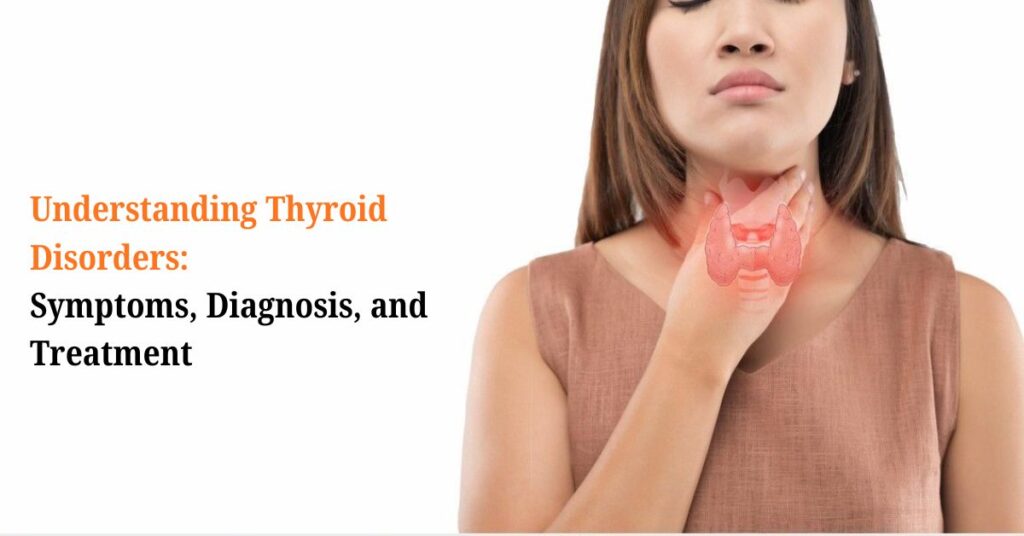
Thyroid disorders are among the most common endocrine conditions affecting people worldwide. The thyroid is a small butterfly-shaped gland located in the neck, responsible for producing hormones that regulate metabolism, energy levels, body temperature, and overall growth. When the thyroid gland produces too much or too little hormone, it can lead to various health problems that affect multiple body systems.
The two main types of thyroid disorders are hypothyroidism and hyperthyroidism. Hypothyroidism occurs when the thyroid gland is underactive and does not produce enough hormones, leading to symptoms such as fatigue, weight gain, depression, and slow heart rate. On the other hand, hyperthyroidism occurs when the gland is overactive, causing symptoms like weight loss, rapid heartbeat, anxiety, and excessive sweating. Both conditions require proper diagnosis and treatment to prevent complications.
Diagnosis of thyroid disorders typically involves blood tests to measure thyroid hormone levels, including T3, T4, and thyroid-stimulating hormone (TSH). Imaging tests such as ultrasound may also be used to examine the structure of the thyroid gland. Early diagnosis is crucial to ensure timely treatment and prevent long-term complications.
Treatment for thyroid disorders depends on the type and severity of the condition. In hypothyroidism, hormone replacement therapy is commonly prescribed to restore normal hormone levels. In hyperthyroidism, medications may be used to reduce hormone production and manage symptoms. Supportive treatments such as Vitamin C Injection can help boost immunity and overall health during treatment.
In some patients, thyroid disorders may lead to complications such as anemia or fatigue, where treatments like POLYBCOM Vitamin B12 Injection can support nerve health and improve energy levels. Additionally, antioxidant therapies such as Glutaxim 600 Injection may help reduce oxidative stress and support overall well-being.
For patients with coexisting conditions such as kidney-related complications or metabolic imbalance, supportive therapies like Alpha Ketoanalogue Tablet may be recommended as part of a comprehensive treatment approach.
Conclusion
Thyroid disorders can significantly impact overall health if not managed properly, but with early diagnosis and appropriate treatment, they are highly manageable. A combination of medication, supportive therapies, and lifestyle changes can help restore hormonal balance and improve quality of life. Regular monitoring and medical guidance are essential for long-term thyroid health and well-being.