
How Oxidative Stress Impacts Long-Term Health
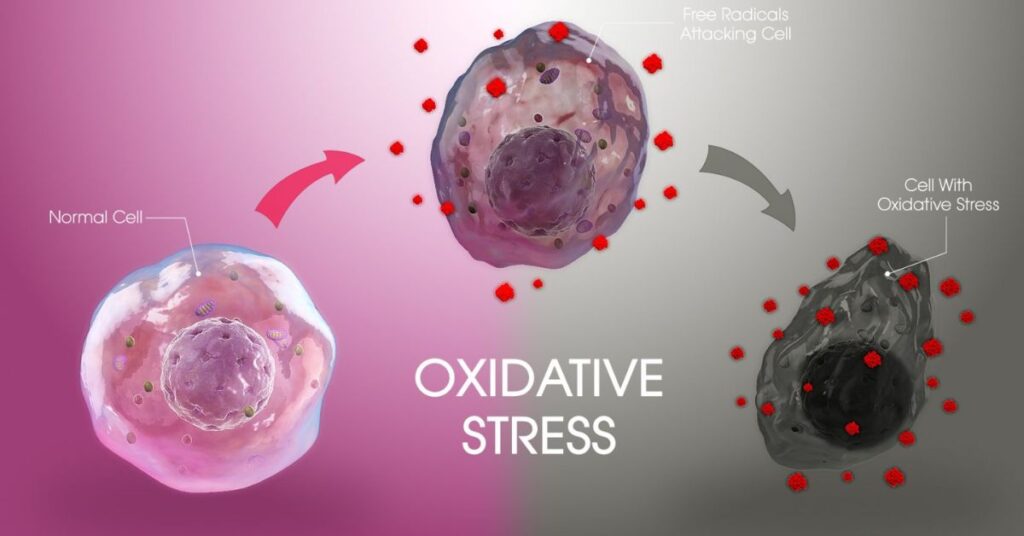
Oxidative stress is a biological condition that occurs when there is an imbalance between free radicals and antioxidants in the body. Free radicals are unstable molecules that can damage cells, proteins, and DNA, while antioxidants help neutralize these harmful effects. When the body cannot effectively counteract free radicals, oxidative stress develops, potentially leading to long-term health complications.
One of the major causes of oxidative stress is exposure to environmental factors such as pollution, radiation, smoking, and unhealthy dietary habits. Additionally, natural processes like aging and metabolism also produce free radicals. While the body has its own defense mechanisms, excessive production of free radicals can overwhelm these systems, resulting in cellular damage.
Oxidative stress plays a significant role in the development of several chronic diseases. It is closely linked to conditions such as cardiovascular disease, neurodegenerative disorders like Alzheimer’s disease, and metabolic conditions such as diabetes. It can also contribute to inflammation, which further accelerates tissue damage and disease progression. Over time, this damage may affect vital organs and impair overall body function.
The impact of oxidative stress is not limited to internal health; it also affects skin and aging. Damage caused by free radicals can lead to premature aging, wrinkles, and reduced skin elasticity. This is why antioxidants are commonly used in skincare products to protect against environmental damage and support skin health.
Managing oxidative stress involves adopting healthy lifestyle habits. A diet rich in antioxidants—such as fruits, vegetables, nuts, and whole grains—can help neutralize free radicals. Foods high in vitamins C and E, as well as compounds like flavonoids and polyphenols, are particularly beneficial. Regular physical activity also enhances the body’s natural antioxidant defenses, although excessive exercise without proper recovery may increase oxidative stress.
Avoiding harmful habits such as smoking and limiting exposure to environmental toxins can significantly reduce the risk. Adequate sleep and stress management are equally important, as chronic stress can increase the production of free radicals. Maintaining a balanced lifestyle helps the body regulate oxidative processes more effectively.
Conclusion:
Oxidative stress is a key factor in the development of many long-term health conditions and plays a major role in aging. By understanding its causes and adopting preventive strategies, individuals can reduce its impact and support overall health. A combination of proper nutrition, healthy habits, and lifestyle management is essential for minimizing oxidative damage and promoting long-term well-being.