
Signs of Digestive Enzyme Deficiency and How to Fix It Naturally
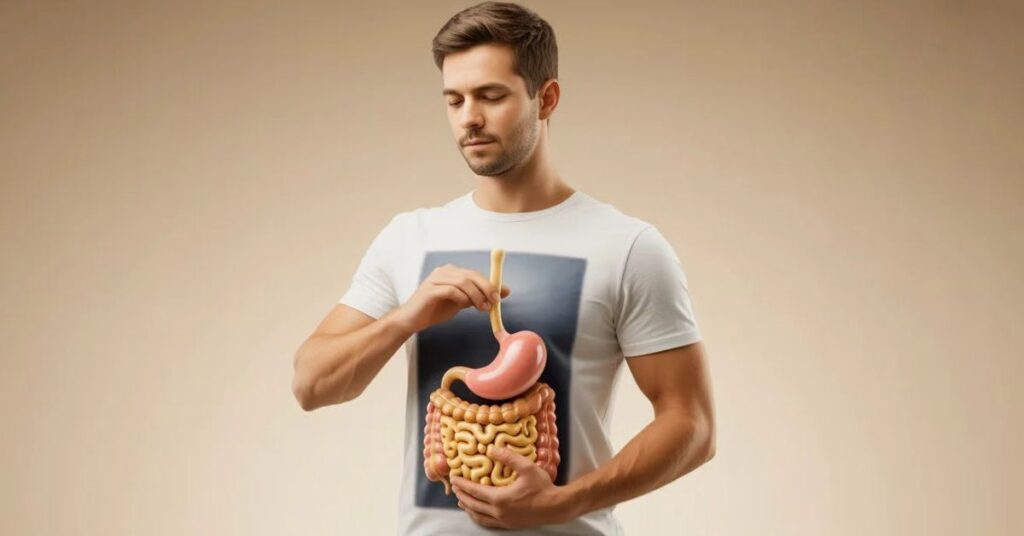
Enzymes are specialized proteins that act as biological catalysts, speeding up chemical reactions in the body. They are essential for numerous physiological processes, including digestion, metabolism, and cellular repair. Without enzymes, many of the body’s vital functions would occur too slowly to sustain life, making them crucial for overall health and well-being.
In digestion, enzymes play a key role in breaking down food into smaller, absorbable nutrients. Different types of enzymes target specific components of food. For example, amylase helps break down carbohydrates into simple sugars, protease breaks down proteins into amino acids, and lipase breaks down fats into fatty acids and glycerol. These enzymes are produced in various parts of the digestive system, including the salivary glands, stomach, pancreas, and small intestine.
Proper enzyme function ensures efficient digestion and nutrient absorption. When the body lacks sufficient digestive enzymes, it can lead to issues such as bloating, gas, indigestion, and nutrient deficiencies. Conditions like pancreatic insufficiency or lactose intolerance are examples where enzyme production or function is impaired, affecting digestion and overall health.
Beyond digestion, enzymes are involved in many other important bodily processes. They support metabolism by helping convert nutrients into energy, assist in detoxification by breaking down harmful substances, and play a role in immune function by helping the body fight infections. Enzymes are also involved in processes like blood clotting, hormone regulation, and tissue repair.
Several factors can affect enzyme activity, including age, diet, and overall health. As people age, natural enzyme production may decline, which can impact digestion. A diet high in processed foods and low in natural nutrients may also reduce enzyme efficiency. Maintaining a balanced diet rich in fruits, vegetables, and whole foods can help support natural enzyme production.
In some cases, enzyme supplements may be recommended to support digestion, especially for individuals with specific deficiencies. However, these should be used under medical supervision to ensure safety and effectiveness.
Conclusion:
Enzymes are essential for maintaining healthy digestion and supporting a wide range of bodily functions. By enabling efficient nutrient breakdown and absorption, they contribute significantly to overall health. Supporting enzyme activity through a healthy lifestyle and balanced diet can help improve digestion and promote long-term well-being.