
Hidden Blood Disorders Beyond Anemia: What You Need to Know
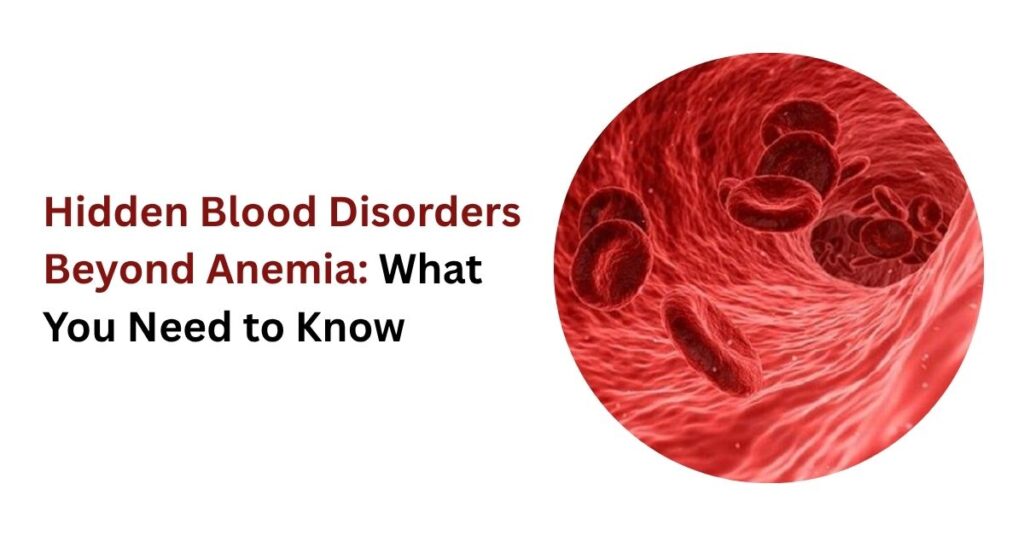
Blood disorders are conditions that affect the components and functions of blood, including red blood cells, white blood cells, platelets, and plasma. While anemia is one of the most commonly known blood disorders, many other conditions can significantly impact health. Understanding these disorders is essential for early diagnosis, proper treatment, and improved patient outcomes.
One major category of blood disorders involves abnormalities in red blood cells. Conditions such as sickle cell anemia and thalassemia affect the shape or production of red blood cells, leading to reduced oxygen delivery throughout the body. These disorders can cause symptoms such as fatigue, pain, and organ complications if not properly managed.
White blood cell disorders are another important group. These cells are essential for fighting infections, and abnormalities can either weaken the immune system or cause excessive immune activity. For example, leukemia is a type of cancer that affects white blood cells, leading to uncontrolled cell growth and impaired immunity. Such conditions often require specialized treatments like chemotherapy, targeted therapy, or bone marrow transplantation.
Platelet disorders affect the blood’s ability to clot properly. Conditions like hemophilia result in excessive bleeding due to a lack of clotting factors, while other disorders may cause abnormal clot formation, increasing the risk of strokes or heart attacks. Proper diagnosis and management are crucial to prevent serious complications.
Plasma-related disorders also play a significant role in blood health. Plasma contains proteins that help with clotting and immune responses. Disorders affecting plasma proteins, such as multiple myeloma or clotting factor deficiencies, can disrupt normal bodily functions and require targeted medical care.
Symptoms of blood disorders can vary widely depending on the condition but may include fatigue, frequent infections, unexplained bruising, prolonged bleeding, and weakness. Early detection through blood tests and medical evaluation is essential for effective management.
Treatment options depend on the specific disorder and its severity. They may include medications, blood transfusions, lifestyle changes, or advanced therapies such as stem cell transplantation. Ongoing monitoring and medical support are often necessary for managing chronic blood conditions.
Conclusion
Blood disorders extend far beyond anemia and encompass a wide range of conditions that affect overall health. By understanding the different types and recognizing early symptoms, individuals can seek timely medical care and improve their quality of life. Advances in medical research continue to offer new treatment options, providing hope for better management and outcomes for patients with blood disorders.