
What Is Drug Resistance? How It Happens and Why It’s Dangerous
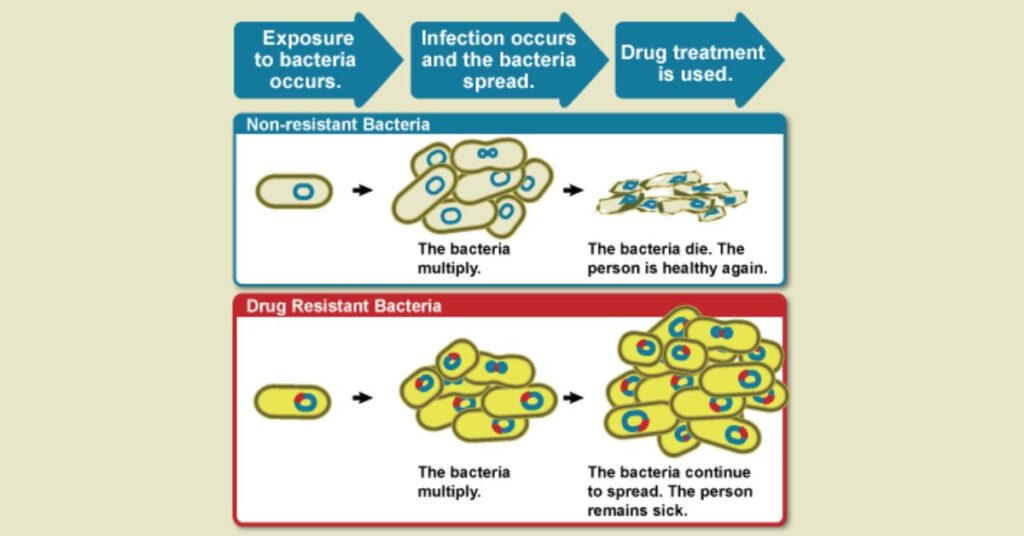
Drug resistance is a growing global health concern that occurs when microorganisms such as bacteria, viruses, fungi, or parasites evolve and no longer respond to medications designed to eliminate them. This makes infections harder to treat, increases the risk of disease spread, and can lead to longer hospital stays and higher medical costs. Drug resistance is especially concerning in the case of antibiotics, where once-effective treatments become less reliable over time. (Explore our range of pharmaceutical products for infection treatment to support effective care.)
The development of drug resistance is a natural biological process driven by genetic changes in microorganisms. When drugs are used to treat an infection, most of the harmful organisms are killed, but some may survive due to random mutations that make them less sensitive to the medication. These surviving microbes then multiply, passing on their resistant traits. Over time, this leads to a population of microorganisms that standard treatments can no longer control. Misuse and overuse of medications, such as taking antibiotics unnecessarily or not completing prescribed courses, significantly accelerate this process. (Read more in our guide on safe and effective use of antibiotics to prevent resistance.)
Several factors contribute to the rise of drug resistance. Inappropriate prescribing by healthcare providers, self-medication, and the widespread use of antibiotics in agriculture all play a role. Poor infection control practices in healthcare settings can also allow resistant organisms to spread quickly. Additionally, lack of awareness and limited access to proper diagnostics often result in incorrect treatment choices, further promoting resistance. (Learn about infection prevention and control strategies in healthcare to reduce risk.)
Another critical aspect of drug resistance is its impact on routine medical procedures and treatments. Surgeries, organ transplants, and cancer therapies rely heavily on effective antibiotics to prevent and treat infections. When resistance develops, these procedures become riskier, as infections may no longer respond to standard treatments. This not only affects patient recovery but also puts a greater burden on healthcare systems, highlighting the urgent need for better antimicrobial stewardship and innovation in drug development. (Discover advanced IV therapy and medical treatment solutions used in modern care.)
Preventing drug resistance requires a collective effort from healthcare professionals, patients, and policymakers. Rational use of medications is key—this includes prescribing drugs only when necessary, using the correct dosage, and ensuring patients complete their full course of treatment. Infection prevention measures such as proper hygiene, vaccination, and sanitation also help reduce the need for medications in the first place. Ongoing research and development of new drugs and alternative therapies are essential to stay ahead of evolving resistant strains. (Check our insights on how to prevent infections and improve immunity for practical tips.)
Conclusion
Drug resistance is a serious challenge that threatens the effectiveness of modern medicine. Understanding how it develops and taking proactive steps to prevent it can help preserve the power of existing treatments. Responsible medication use, improved healthcare practices, and continued innovation are crucial in combating drug resistance and ensuring better health outcomes for future generations. (Browse our complete range of healthcare and pharmaceutical products and explore more expert health blogs and guides for deeper insights.)