
How Combination Drug Therapy Improves Treatment Outcomes
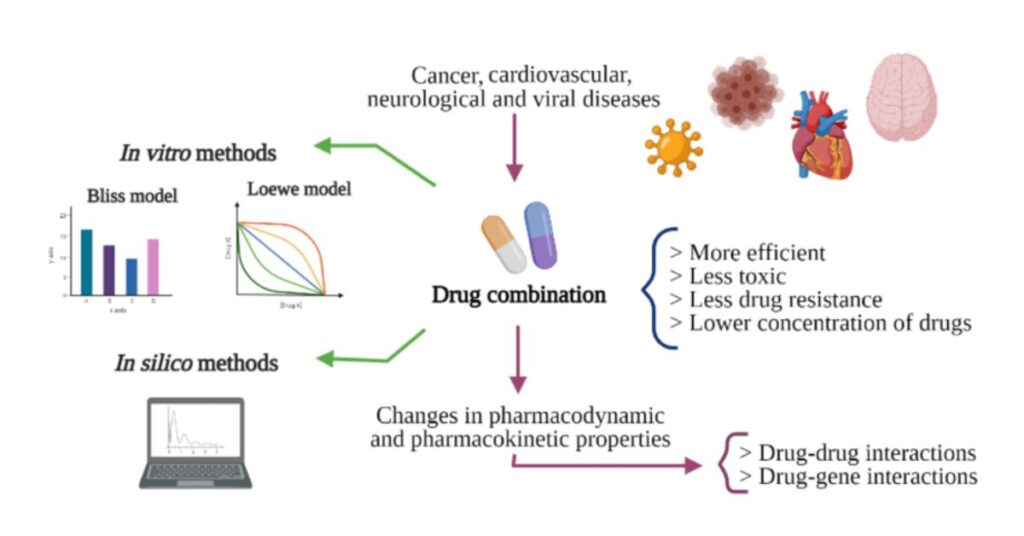
Combination drug therapy is a modern medical approach that involves using two or more medications together to treat a single condition. This strategy is widely used in the management of complex and chronic diseases such as infections, cancer, diabetes, and cardiovascular disorders. By combining drugs with different mechanisms of action, healthcare providers can enhance treatment effectiveness, reduce disease progression, and improve overall patient outcomes.
One of the primary benefits of combination therapy is its ability to target multiple pathways involved in a disease. For example, in bacterial infections, using more than one antibiotic can help eliminate a broader range of pathogens and reduce the risk of resistance. Similarly, in cancer treatment, combining chemotherapy drugs with targeted therapies can improve the destruction of cancer cells while minimizing damage to healthy tissues. This multi-targeted approach often leads to faster recovery and better disease control compared to single-drug treatments.
Another significant advantage of combination drug therapy is the potential to use lower doses of individual medications. This can help reduce the risk of side effects and improve patient tolerance to treatment. In chronic conditions like hypertension or diabetes, combining drugs allows for better control of symptoms while minimizing adverse reactions. Additionally, combination therapy medicine like sofosbuvir can help prevent drug resistance, especially in conditions like chronic hepatitis C and HIV, where single-drug treatments may become less effective over time.
Combination therapy also enhances patient compliance by simplifying treatment regimens. Fixed-dose combinations, where multiple drugs are combined into a single dosage form, reduce the number of pills a patient needs to take. This convenience increases adherence to prescribed treatments, leading to more consistent and successful outcomes. Furthermore, healthcare providers can customize combinations. Therapies based on individual patient needs, ensuring a more personalized approach to care.
Conclusion
Combination drug therapy has revolutionized modern medicine by improving treatment effectiveness, reducing side effects, and preventing drug resistance. Its ability to address complex diseases through multiple mechanisms makes it a powerful tool in achieving better health outcomes. As research and innovation continue to advance, combination therapies will remain a key strategy in delivering more efficient, patient-centered healthcare solutions.