
Why IV Therapy Is Essential in Modern Medical Care and Patient Treatment
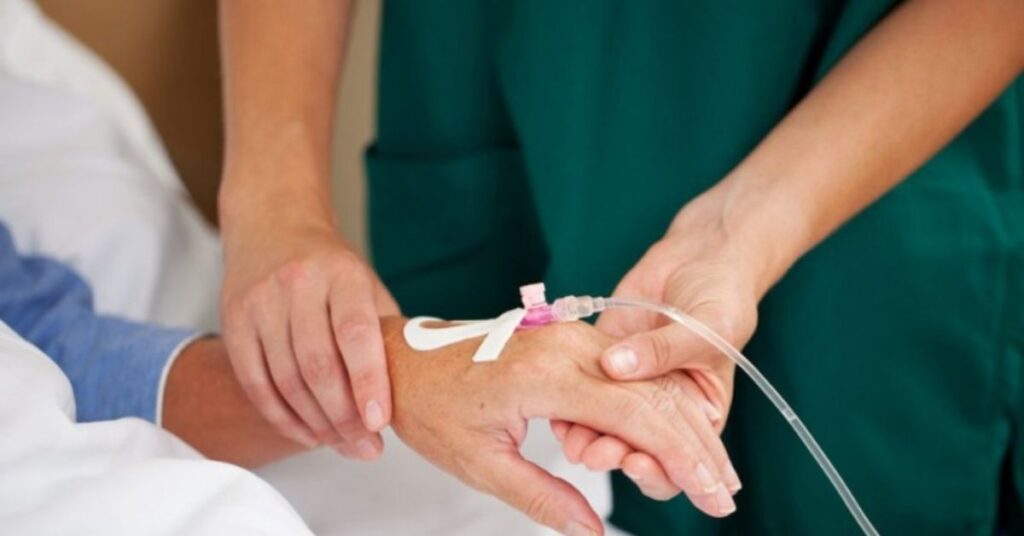
Intravenous (IV) therapy is a cornerstone of modern medical care, providing a fast and efficient way to deliver fluids, medications, and essential nutrients directly into the bloodstream. Unlike oral treatments, IV therapy bypasses the digestive system, ensuring immediate absorption and rapid therapeutic effects. This makes it an essential tool in hospitals, emergency rooms, and outpatient settings where timely intervention is critical for patient survival and recovery.
IV therapy with dextrose 5% is widely used for hydration, especially in patients suffering from dehydration due to illness, surgery, or extreme conditions. It is also crucial for administering medications such as antibiotics, pain relievers, and chemotherapy drugs. In critical care, IV therapy enables precise control of drug dosing and fluid balance, helping healthcare professionals manage complex conditions such as infections, organ failure, and electrolyte imbalances. Additionally, it plays a vital role in nutritional support via total parenteral nutrition (TPN) for patients unable to consume food orally.
One of the major advantages of IV therapy is its high bioavailability and rapid onset of action. This ensures that patients receive the full benefit of the medication without delays caused by digestion or metabolism. IV therapy is also highly customizable, allowing healthcare providers to tailor treatments based on individual patient needs. Whether it’s delivering life-saving drugs during emergencies or maintaining hydration in routine care, IV therapy offers unmatched precision and effectiveness. Explore more IV therapy products for healthcare applications.
The use of IV therapy extends beyond hospitals to wellness clinics and home healthcare, where it is increasingly used for vitamin infusions, immune support, and recovery treatments. However, proper administration by trained professionals is essential to avoid complications such as infections, vein irritation, or fluid overload. Strict adherence to sterile techniques and monitoring protocols ensures patient safety and optimal outcomes.
Explore more related topics in the healthcare section of our blog: https://goodfaithexim.com/blogs/
Conclusion
IV therapy plays a vital role in modern medical care by enabling rapid, controlled, and effective treatment delivery. Its ability to provide immediate results makes it indispensable in both emergency and long-term healthcare settings. As medical technology continues to advance, IV therapy remains a reliable and essential method for improving patient outcomes and supporting overall health and recovery.