
How to Read Medicine Labels Correctly
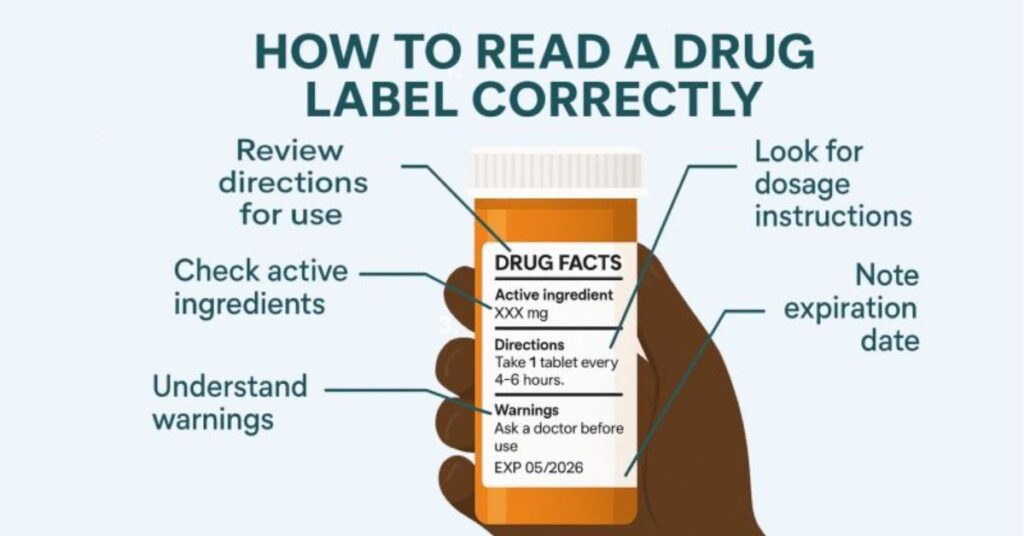
Reading medicine labels correctly is one of the most important steps in ensuring safe and effective medication use. Whether it is a prescription drug or an over-the-counter product, the information on the label provides critical guidance about dosage, usage, warnings, storage, and possible side effects. Misunderstanding or ignoring these instructions can lead to medication errors, reduced effectiveness, or serious health risks.
The first thing to check on a medicine label is the medication’s name. Many medicines have both a brand name and a generic name, so it is important to confirm you are taking the correct product. Similar-sounding drug names can sometimes confuse, making careful reading essential.
Next, pay close attention to the dosage instructions. This section explains how much medicine to take, how often to take it, and the recommended duration of use. Following the exact dosage is important because taking too little may reduce effectiveness, while taking too much can increase the risk of side effects or overdose. Labels may also include instructions such as “take with food,” “take on an empty stomach,” or “do not crush or chew,” which should always be followed carefully.
The active ingredients section tells you what substances are present in the medicine and their strengths. This is especially important when taking multiple medications, as some products may contain the same active ingredient, increasing the risk of accidental overdose. For example, many cold and flu medicines contain acetaminophen, which can be harmful in high doses.
Medicine labels also contain important warnings and precautions. These may include possible side effects, drug interactions, allergy warnings, or activities to avoid while using the medicine, such as driving or consuming alcohol. Patients with chronic conditions, pregnant women, and elderly individuals should pay special attention to these warnings and consult a healthcare professional if unsure.
The expiration date is another critical detail. Expired medicines may lose potency or become unsafe over time. Always check the expiration date before use and dispose of expired medications properly. Storage instructions are equally important, as improper storage can affect medication quality. Some medicines require refrigeration, while others should be kept in a cool, dry place away from sunlight and moisture.
Prescription labels often include additional information such as the patient’s name, prescribing doctor, pharmacy details, and refill instructions. Verifying this information helps ensure the medicine was dispensed correctly. If any part of the label is unclear, patients should ask a pharmacist or healthcare provider for clarification rather than making assumptions.
Understanding medicine labels is particularly important for elderly patients and caregivers managing multiple medications. Using medication organizers, maintaining a medication list, and setting reminders can help reduce confusion and improve adherence to treatment plans.
Healthcare providers and pharmacists also play a key role in patient education by explaining label instructions clearly and encouraging patients to ask questions. Improved awareness can significantly reduce medication errors and promote safer medication practices.
Conclusion,
Reading medicine labels correctly is essential for proper treatment and overall health safety. By understanding dosage instructions, warnings, storage guidelines, and expiration dates, patients can use medications more effectively and reduce the risk of harmful errors.