
How Stress Impacts Physical Health and Ways to Manage It
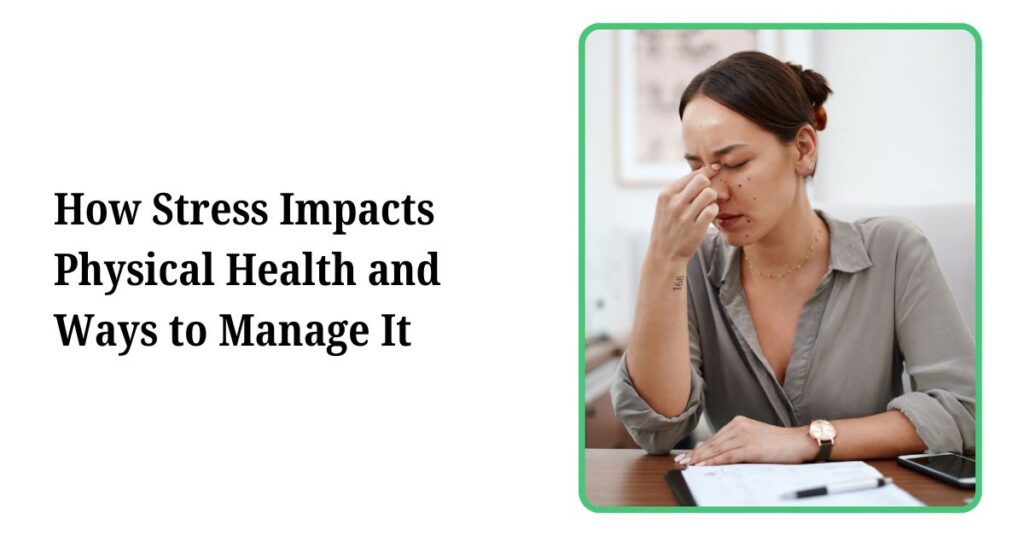
Stress is a natural response to challenging situations, but when it becomes chronic, it can significantly affect physical health. In today’s fast-paced world, ongoing stress is increasingly common and can contribute to a wide range of health problems. Understanding how stress impacts the body and learning effective ways to manage it is essential for maintaining overall well-being.
When the body experiences stress, it releases hormones such as cortisol and adrenaline. These hormones prepare the body for a “fight or flight” response by increasing heart rate, blood pressure, and energy levels. While this response is helpful in short-term situations, prolonged exposure to stress hormones can have harmful effects. Chronic stress can weaken the immune system, making the body more vulnerable to infections and illnesses.
Stress also has a direct impact on cardiovascular health. It can contribute to high blood pressure, increase the risk of heart disease, and lead to unhealthy coping behaviors such as poor diet, smoking, or lack of physical activity. Additionally, stress can affect the digestive system, causing issues like indigestion, acid reflux, or irritable bowel symptoms. It may also lead to muscle tension, headaches, and fatigue.
Mental and emotional stress often manifests physically as well. People experiencing high stress levels may have difficulty sleeping, which further weakens the body’s ability to recover and function properly. Long-term stress is also linked to chronic conditions such as diabetes, obesity, and inflammatory disorders, highlighting its widespread impact on overall health.
Managing stress effectively is crucial for preventing these health issues. One of the most effective strategies is regular physical activity, which helps reduce stress hormones and release endorphins that improve mood. Mindfulness practices such as meditation, deep breathing exercises, and yoga can help calm the mind and relax the body. Maintaining a healthy diet and getting enough sleep also supports better stress management.
Time management and setting realistic goals can help reduce feelings of overwhelm. Taking breaks, engaging in hobbies, and spending time with family and friends can improve emotional well-being. In some cases, seeking professional support from a counselor or therapist can provide valuable coping strategies and emotional support.
Conclusion:
Chronic stress can have serious effects on physical health, but it is manageable with the right approach. By adopting healthy lifestyle habits and stress-reduction techniques, individuals can protect their well-being and improve their quality of life. Prioritizing mental health is just as important as physical health in achieving a balanced and healthy lifestyle.