
Self-Medication Risks and Safe Practices
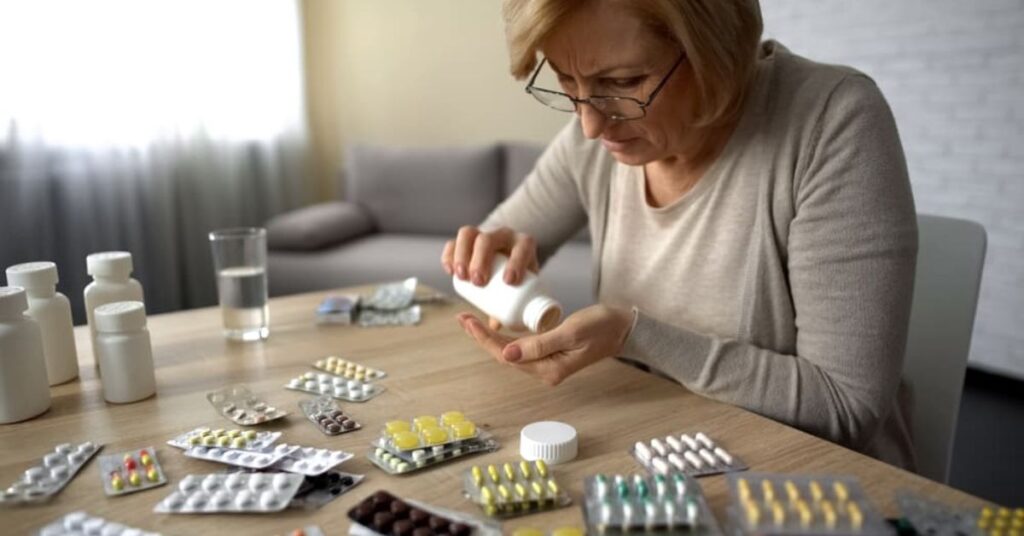
Self-medication is the practice of using medicines without professional medical advice to treat self-diagnosed symptoms or conditions. While it may seem convenient for minor illnesses, improper self-medication can lead to serious health risks, including incorrect treatment, side effects, drug interactions, and antibiotic resistance. Understanding the dangers and following safe practices is essential for responsible medication use.
What is Self-Medication?
Self-medication includes:
- Buying medicines without a prescription
- Reusing old prescriptions
- Taking leftover medicines at home
- Using advice from friends, family, or the internet instead of healthcare professionals
Commonly self-medicated drugs include pain relievers, cold medicines, antibiotics, and supplements.
Risks of Self-Medication
1. Incorrect Diagnosis
Symptoms of serious illnesses may appear mild at first. Treating yourself without proper diagnosis can delay appropriate medical care.
For example, chest pain treated only with paracetamol may hide a serious heart condition.
2. Drug Interactions
Some medicines interact dangerously with others, especially when multiple medications are used together.
For instance:
- Ibuprofen may interact with blood pressure medications
- Combining medicines improperly can increase side effects or reduce effectiveness
3. Antibiotic Resistance
Taking antibiotics without medical advice or stopping treatment early contributes to antibiotic resistance.
Misuse of antibiotics, such as:
can make infections harder to treat in the future.
4. Overdose and Side Effects
Exceeding recommended doses can cause toxicity and severe complications.
For example:
- Excessive use of Paracetamol may damage the liver
- Overuse of Ibuprofen can lead to stomach ulcers or kidney problems
5. Masking Serious Conditions
Self-medication may temporarily relieve symptoms while the underlying disease worsens. This can delay proper diagnosis and treatment.
Commonly Misused Medicines
- Painkillers and fever reducers
- Antibiotics
- Cough and cold medicines
- Sleeping pills
- Vitamins and supplements
Even over-the-counter (OTC) medicines should be used carefully.
Safe Practices for Self-Medication
1. Read Medicine Labels Carefully
Always check:
- Dosage instructions
- Active ingredients
- Warnings and precautions
- Expiry dates
2. Use Medicines Only for Minor Conditions
Self-medication may be appropriate for short-term issues such as mild headaches, fever, or seasonal allergies.
Persistent or severe symptoms require professional evaluation.
3. Avoid Sharing Medicines
A medicine that works for one person may not be safe for another due to differences in health conditions, allergies, or medications.
4. Follow Recommended Dosages
Never increase the dose or frequency without consulting a healthcare professional.
5. Consult Pharmacists or Doctors
Seek professional guidance if:
- Symptoms worsen or persist
- Side effects occur
- You are pregnant, elderly, or managing chronic diseases
Role of Pharmacists in Safe Medication Use
Pharmacists help patients understand proper medicine use, identify drug interactions, and recommend appropriate OTC treatments. They are an important resource for safe self-care.
When to Avoid Self-Medication
Do not self-medicate in cases involving:
- Severe pain or breathing difficulty
- High fever lasting several days
- Chronic diseases like diabetes or heart disease
- Children or elderly patients without medical guidance
Conclusion
Self-medication can provide quick relief for minor health problems, but it also carries significant risks if done improperly. Misuse of medicines like paracetamol, ibuprofen, amoxicillin, and azithromycin can lead to overdose, antibiotic resistance, and delayed treatment of serious illnesses. By following safe practices, reading labels carefully, and consulting healthcare professionals when needed, patients can use medicines responsibly and protect their long-term health.