
The Importance of Good Manufacturing Practices (GMP)
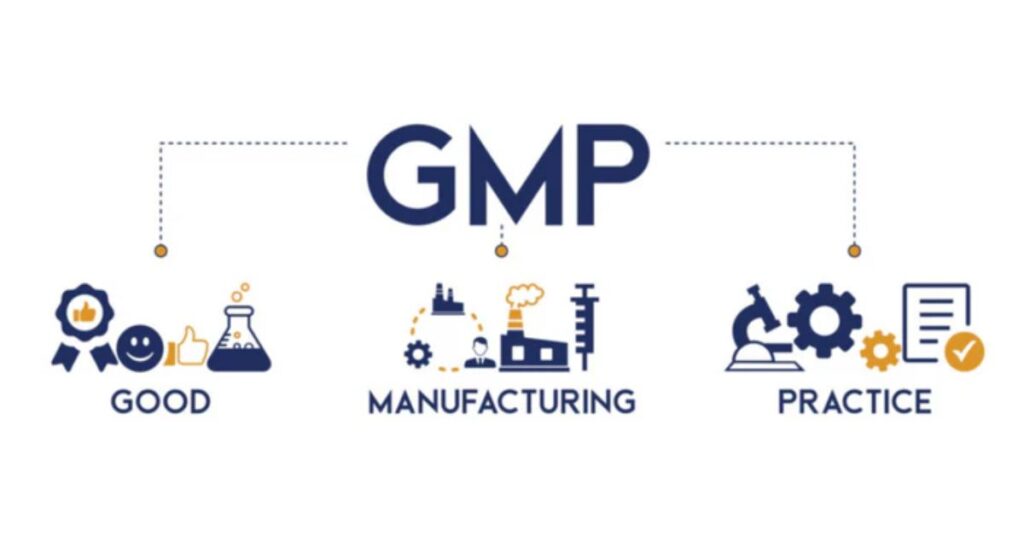
Good Manufacturing Practices (GMP) are a set of strict guidelines that ensure pharmaceutical products are consistently produced and controlled according to quality standards. These practices are critical for safeguarding patient health, maintaining product integrity, and complying with regulatory requirements. In an industry where even minor errors can have serious consequences, GMP serves as the backbone of safe and effective medicine production.
What are Good Manufacturing Practices (GMP)?
GMP refers to systems and procedures that manufacturers must follow to ensure their products meet quality standards. These guidelines cover every aspect of production—from raw material sourcing and facility hygiene to equipment maintenance and staff training. Regulatory authorities such as the World Health Organization and national drug agencies enforce GMP compliance globally.
Why GMP is Important
1. Ensures Product Quality
GMP ensures that medicines are manufactured under controlled conditions, reducing variability and ensuring consistent quality. This is crucial for drugs like Paracetamol and Amoxicillin, where dosage accuracy directly impacts effectiveness.
2. Enhances Patient Safety
Poor manufacturing practices can lead to contamination, incorrect labeling, or dosage errors. GMP minimizes these risks, protecting patients from harmful side effects or ineffective treatments.
3. Prevents Contamination and Errors
Strict hygiene protocols and validated processes help prevent cross-contamination and manufacturing mistakes. This is especially important for sterile products and injectable drugs.
4. Regulatory Compliance
Compliance with GMP is mandatory for pharmaceutical companies. Failure to meet GMP standards can result in product recalls, legal penalties, or loss of manufacturing licenses.
5. Builds Trust and Reputation
Companies that adhere to GMP standards gain trust from healthcare providers, regulators, and patients. This enhances brand credibility and market competitiveness.
Key Components of GMP
1. Quality Management System (QMS)
A robust QMS ensures that all processes are documented, monitored, and continuously improved.
2. Personnel Training
Employees must be properly trained in GMP protocols to maintain high standards of production and quality control.
3. Sanitation and Hygiene
Clean manufacturing environments reduce the risk of contamination and ensure product safety.
4. Equipment and Facility Maintenance
Regular maintenance and calibration of equipment are essential to ensure accurate production processes.
5. Documentation and Record-Keeping
Accurate records help trace every step of the manufacturing process, ensuring accountability and transparency.
Role in Medication Safety and Treatment
GMP plays a crucial role in ensuring that patients receive safe and effective medications. For example:
- Insulin must be manufactured under strict conditions to maintain its potency
- Atorvastatin requires a precise formulation to effectively manage cholesterol levels
- Ceftriaxone must be sterile to prevent infections during treatment
Without GMP, the reliability of these medicines would be compromised, leading to serious health risks.
Challenges in Implementing GMP
- High costs of compliance and infrastructure
- Continuous need for staff training
- Frequent regulatory updates
- Complex documentation requirements
Despite these challenges, the benefits of GMP far outweigh the difficulties.
Future of GMP in Pharmaceuticals
With advancements in technology, GMP is evolving to include automation, digital monitoring, and real-time quality control systems. Integration with artificial intelligence and data analytics will further enhance compliance and efficiency. These innovations will help pharmaceutical companies maintain high standards while reducing operational costs.
Conclusion
Good Manufacturing Practices (GMP) are essential for ensuring the quality, safety, and effectiveness of pharmaceutical products. By enforcing strict standards in production, hygiene, and documentation, GMP protects patients and strengthens trust in the healthcare system. Medicines like Paracetamol, Insulin, and Ceftriaxone rely on GMP to deliver consistent and safe results. As the pharmaceutical industry continues to evolve, adherence to GMP will remain a cornerstone of responsible and reliable drug manufacturing.