
The Role of AI in Modern Healthcare and Drug Discovery
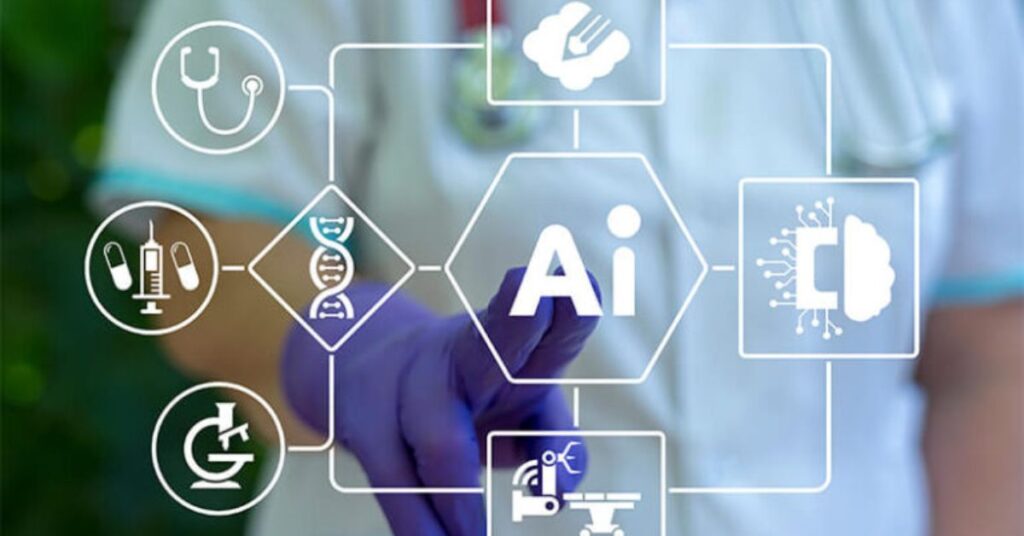
Artificial Intelligence (AI) is rapidly transforming the healthcare industry by improving diagnostics, enhancing patient care, and accelerating drug discovery. With the ability to analyze vast amounts of data quickly and accurately, AI is helping healthcare professionals make better decisions and deliver more personalized treatments. Its integration into modern healthcare systems is paving the way for more efficient and innovative medical solutions.
If you’re interested in how modern healthcare is evolving, you can also read the following: https://goodfaithexim.com/understanding-generic-vs-branded-medicines-what-you-should-know/
One of the most significant contributions of AI in healthcare is in diagnostics. AI-powered tools can analyze medical images, laboratory results, and patient data to detect diseases at an early stage. For example, AI algorithms are widely used in radiology to identify abnormalities in X-rays, MRIs, and CT scans with high precision. Early detection of conditions such as cancer, cardiovascular diseases, and neurological disorders can significantly improve treatment outcomes and save lives.
AI is also playing a crucial role in personalized medicine. By analyzing patient history, genetic information, and lifestyle factors, AI can help doctors tailor treatments to individual needs. This approach increases treatment effectiveness and reduces the risk of adverse effects. Additionally, AI-powered chatbots and virtual assistants are improving patient engagement by providing timely medical information and support.
In drug discovery, AI is revolutionizing the way new medicines are developed. Traditional drug development is time-consuming and expensive, often taking years of research and billions of dollars. AI accelerates this process by identifying potential drug candidates, predicting their effectiveness, and optimizing clinical trial designs. Machine learning models can analyze biological data to discover new drug targets and reduce the chances of failure in later stages of development.
AI also enhances operational efficiency in healthcare systems. It helps manage patient records, streamline administrative tasks, and optimize hospital workflows. Predictive analytics can forecast disease outbreaks, patient admissions, and resource requirements, enabling better planning and resource allocation.
Despite its numerous benefits, the use of AI in healthcare comes with challenges. Data privacy and security are major concerns, as AI systems rely on large volumes of sensitive patient information. Ensuring ethical use, transparency, and regulatory compliance is essential to maintain trust and safety. Additionally, the integration of AI requires significant investment in technology and skilled professionals.
Conclusion:
AI is reshaping modern healthcare and drug discovery by improving accuracy, efficiency, and innovation. From early diagnosis to faster drug development, its impact is profound and far-reaching. As technology continues to evolve, AI has the potential to revolutionize healthcare delivery and make advanced treatments more accessible, ultimately improving global health outcomes.