
The Role of Neuroprotective Medicines in Stroke Recovery
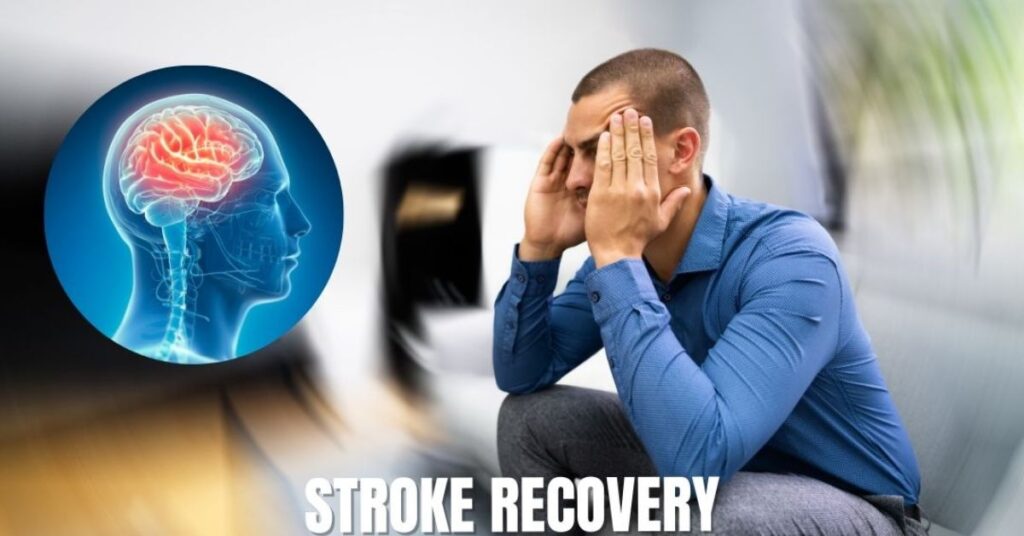
A stroke occurs when blood flow to the brain is interrupted, leading to damage to brain cells. It is one of the leading causes of disability worldwide and requires immediate medical attention.
Patients recovering from stroke often experience memory problems, difficulty speaking, and reduced mobility. Rehabilitation and medication are essential components of the recovery process.
Neuroprotective medicines help support brain cell recovery and improve neurological function. One such treatment is Cerebrolysin Injection, which is widely used in neurological therapy to support brain recovery after stroke.
In addition to medication, physical therapy, speech therapy, and cognitive rehabilitation play an important role in improving recovery outcomes.
Patients undergoing neurological treatment may also benefit from supportive therapies such as POLYBCOM Vitamin B12 Injection, Vitamin C Injection, and Alpha Ketoanalogue Tablets.
Early rehabilitation programs significantly increase the chances of functional recovery after a stroke. Doctors and therapists often develop personalized recovery plans that combine medication with physical exercises and cognitive therapy to help patients regain strength and neurological function more effectively.
Another important aspect of stroke recovery is long-term lifestyle management. Maintaining a healthy diet, controlling blood pressure, managing diabetes, and avoiding smoking or excessive alcohol consumption can reduce the risk of another stroke. Regular medical checkups and continued therapy also help patients maintain long-term neurological health.
Conclusion
Stroke recovery requires a comprehensive treatment approach that includes medication, rehabilitation, and supportive care. Neuroprotective medicines can significantly improve neurological recovery and quality of life.