
Understanding Allergies: Causes, Symptoms, and Treatment Options
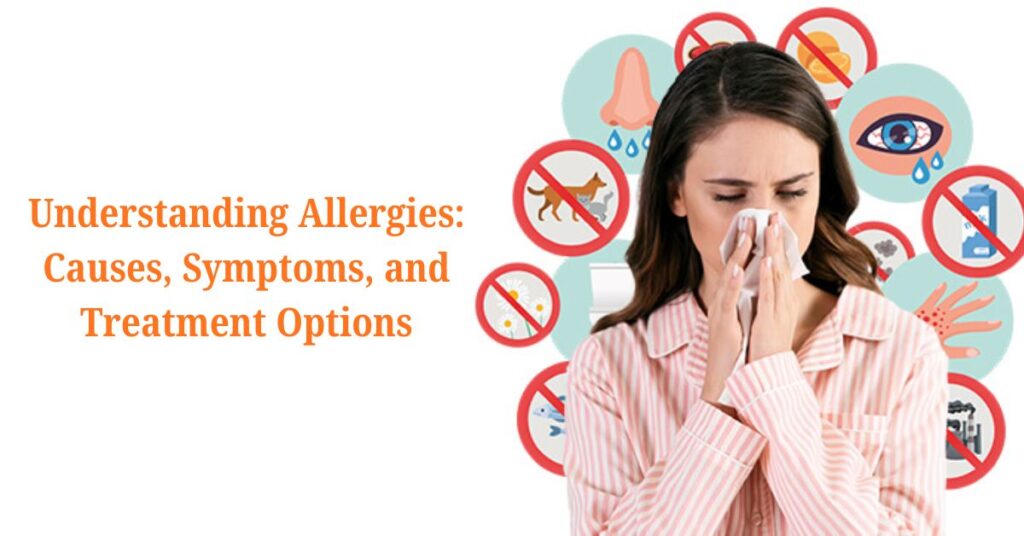
Allergies are a common health condition that occurs when the immune system reacts abnormally to substances that are usually harmless. These substances, known as allergens, can include pollen, dust, pet dander, certain foods, insect stings, and medications. In recent years, the prevalence of allergies has increased due to environmental changes, pollution, and lifestyle factors, making it important to understand their causes and management.
The primary cause of allergies is an overactive immune response. When a person with allergies is exposed to an allergen, the immune system mistakenly identifies it as a threat and releases chemicals like histamine. This reaction leads to various symptoms, which can range from mild to severe. Genetic factors also play a role, meaning allergies can run in families. Additionally, repeated exposure to certain allergens can increase sensitivity over time.
Allergy symptoms vary depending on the type of allergen and the individual’s sensitivity. Common symptoms include sneezing, runny or blocked nose, itchy eyes, skin rashes, hives, and swelling. Respiratory allergies may cause coughing, wheezing, or shortness of breath, while food allergies can lead to digestive issues such as nausea, vomiting, or diarrhea. In severe cases, allergies can trigger anaphylaxis, a life-threatening reaction that requires immediate medical attention.
Diagnosis of allergies typically involves medical history evaluation, skin prick tests, or blood tests to identify specific allergens. Once diagnosed, managing allergies involves avoiding known triggers as much as possible. Treatment options include antihistamines, decongestants, corticosteroids, and in some cases, immunotherapy (allergy shots) to reduce sensitivity over time.
Lifestyle adjustments can also help control allergy symptoms. Keeping living spaces clean, using air purifiers, avoiding exposure to allergens, and maintaining a healthy immune system can make a significant difference. For individuals with food allergies, carefully reading labels and being cautious while eating outside is essential.
Conclusion
Understanding allergies and their triggers is key to managing symptoms effectively and improving quality of life. With proper diagnosis, treatment, and preventive measures, most allergies can be controlled successfully. Taking proactive steps and seeking medical guidance when needed can help individuals live comfortably despite allergic conditions.