
Chronic Kidney Disease: Why Nutritional Supplements Are Important
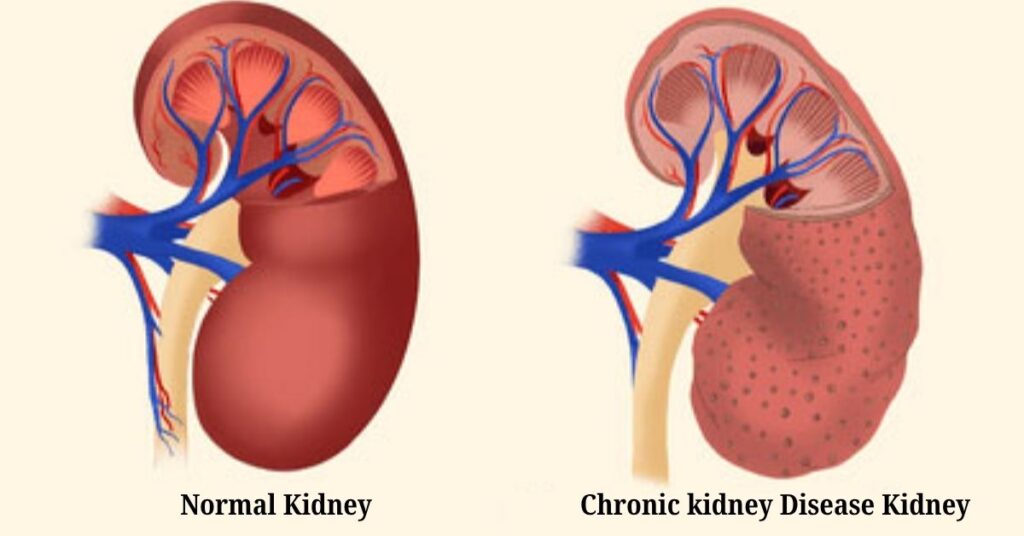
Chronic kidney disease (CKD) is a long-term condition in which the kidneys gradually lose their ability to filter waste and excess fluids from the blood. The kidneys play an essential role in maintaining the balance of electrolytes, minerals, and fluids in the body. When kidney function declines, toxins can accumulate in the bloodstream, leading to various health complications.
Several health conditions can contribute to chronic kidney disease, including diabetes, high blood pressure, and genetic disorders. Early stages of kidney disease may not show clear symptoms, but as the condition progresses, individuals may experience fatigue, swelling, nausea, and difficulty concentrating.
Managing kidney disease requires careful dietary planning and proper medical treatment. Many patients are advised to follow a controlled or low-protein diet to reduce the burden on the kidneys. However, reducing protein intake may lead to nutritional deficiencies if essential nutrients are not replaced through supplements.
Specialized supplements containing ketoanalogues and essential amino acids are commonly prescribed to support patients with kidney disease. Products such as Alpha Ketoanalogue Tablet and Ketocheck Tablet help improve protein metabolism and maintain nutritional balance without increasing nitrogen waste in the body.
Another commonly recommended supplement is ketoanalogue tablets, which help support metabolic balance and slow the progression of kidney damage. In some patients with anemia related to kidney disease, doctors may also prescribe medications such as Epocept Injection to stimulate red blood cell production.
Along with medication and supplements, maintaining proper hydration, controlling blood pressure, and attending regular medical checkups are essential for managing chronic kidney disease.
Conclusion
Chronic kidney disease requires a comprehensive approach that includes medical treatment, lifestyle changes, and nutritional support. Supplements designed for patients with kidney disease help maintain proper nutrition while reducing stress on the kidneys. With early diagnosis and proper care, patients can slow disease progression and maintain better overall health.