
Understanding Anemia: Causes, Symptoms, and Treatment Options
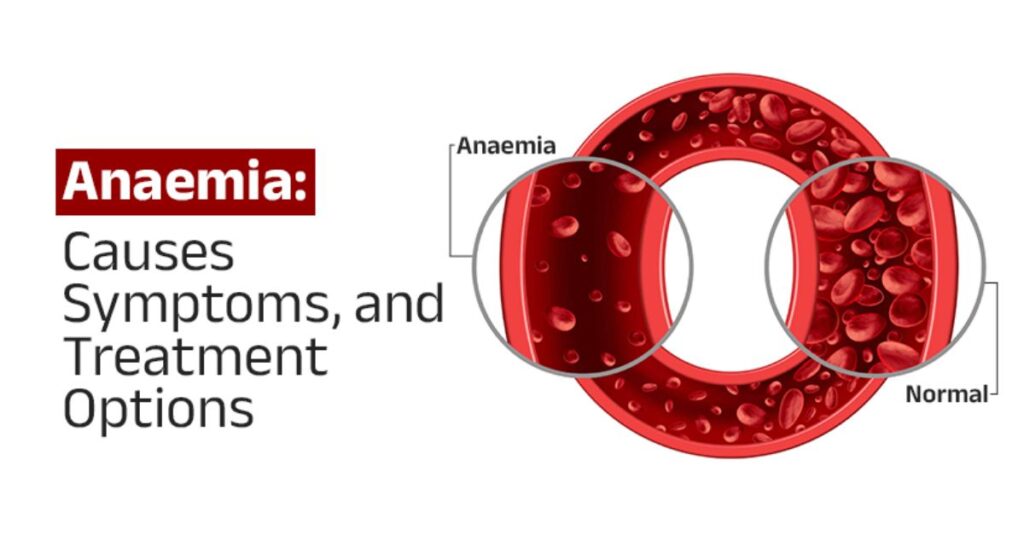
Anemia is a common medical condition that occurs when the body does not have enough healthy red blood cells or hemoglobin to carry oxygen throughout the body. Hemoglobin is an important protein present in red blood cells that transports oxygen from the lungs to different tissues. When hemoglobin levels decrease, the body’s organs and muscles may not receive enough oxygen, leading to fatigue, weakness, and reduced physical performance.
There are several types of anemia, and each has different causes. Iron deficiency anemia is the most common form and occurs when the body lacks enough iron to produce hemoglobin. Vitamin B12 deficiency anemia occurs when the body lacks essential vitamins required for red blood cell production. In more complex medical conditions, such as chronic kidney disease or cancer treatment, the body may produce fewer red blood cells due to reduced hormone production.
Patients experiencing symptoms such as fatigue, pale skin, dizziness, and shortness of breath should consult a healthcare professional for proper diagnosis. Doctors may recommend medications that stimulate the bone marrow to produce more red blood cells. Treatments such as Espogen 4000 IU Injection and Anfoe 4000 IU Injection are commonly used in clinical settings to help manage anemia in patients with chronic kidney disease or chemotherapy-related anemia.
Another commonly used treatment is Anfoe 6000 IU Injection, which helps stimulate red blood cell production and improve oxygen supply throughout the body. In certain cases, vitamin therapy, such as a POLYBCOM Vitamin B12 Injection, may also be recommended to treat vitamin deficiency anemia.
In addition to medical treatments, lifestyle changes and proper nutrition are important for improving hemoglobin levels. Consuming iron-rich foods such as leafy greens, beans, red meat, and fortified cereals can help improve red blood cell production.
Conclusion
Anemia is a manageable condition when diagnosed early and treated properly. With the right combination of medications, nutritional support, and regular medical monitoring, patients can significantly improve their health and energy levels. Proper treatment and awareness can help individuals maintain healthy hemoglobin levels and prevent anemia-related complications.