
Generic Medicines vs Branded Medicines: What Global Buyers Should Know
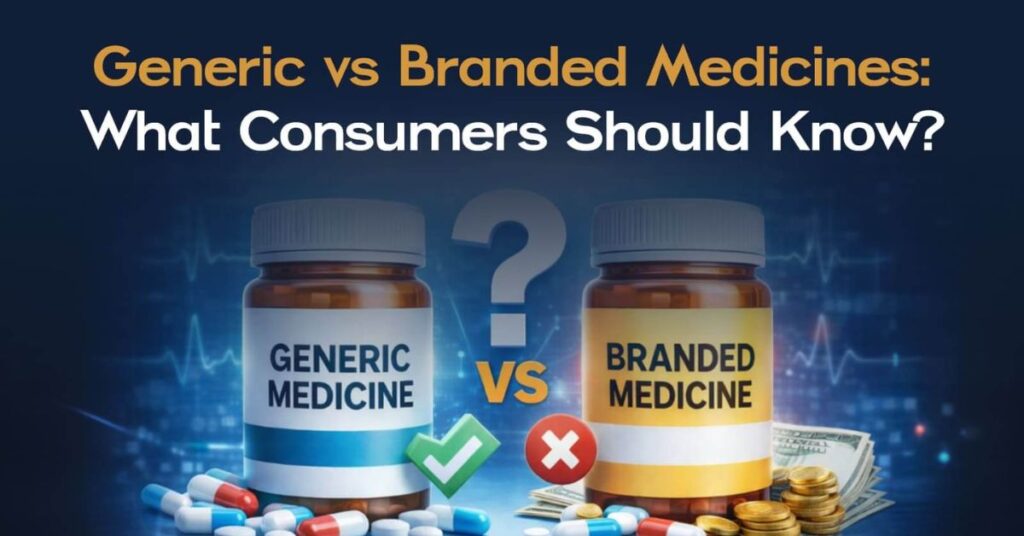
The global pharmaceutical industry offers two major categories of medicines: generic medicines and branded medicines. Both are widely used in healthcare systems around the world, but global buyers often need a clear understanding of their differences before making purchasing decisions. Factors such as cost, quality, effectiveness, regulations, and market demand play a major role in choosing between branded and generic pharmaceutical products.
What Are Branded Medicines?
Branded medicines are original drugs developed by pharmaceutical companies after extensive research, clinical trials, and regulatory approval processes. These medicines are protected by patents for a specific period, giving the manufacturer exclusive rights to market the product.
Popular branded medicines include:
- Lipitor
- Augmentin
- Glucophage
- Nexium
Branded drugs are usually more expensive because pharmaceutical companies invest heavily in research, development, marketing, and clinical testing.
What Are Generic Medicines?
Generic medicines are equivalent versions of branded drugs introduced after the original patent expires. They contain the same active ingredients, dosage strength, safety profile, and therapeutic effects as the branded product.
Examples of commonly exported generic medicines include:
- Paracetamol
- Metformin
- Azithromycin
- Amlodipine
- Omeprazole
Generic medicine manufacturers must prove bioequivalence, meaning the medicine performs similarly to the branded version in the body.
Key Differences Between Generic and Branded Medicines
| Feature | Branded Medicines | Generic Medicines |
| Cost | Higher | More affordable |
| Research Investment | High R&D costs | Lower development costs |
| Patent Protection | Patent-protected | Produced after patent expiry |
| Packaging & Marketing | Heavy branding | Simple packaging |
| Active Ingredients | Original formulation | Same active ingredients |
| Effectiveness | Clinically approved | Bioequivalent to branded drugs |
Why Global Buyers Prefer Generic Medicines
Global healthcare systems increasingly prefer generic medicines because they reduce treatment costs while maintaining therapeutic effectiveness. Countries with large public healthcare programmes rely heavily on generics to improve medicine accessibility.
Advantages for buyers include:
- Lower procurement costs
- High-volume availability
- WHO-GMP-compliant manufacturing
- Strong export supply chains
- Wider access to essential medicines
India has become one of the leading exporters of generic medicines due to its advanced pharmaceutical manufacturing infrastructure and cost-effective production capabilities.
Quality and Regulatory Standards
One common misconception is that generic medicines are lower in quality. In reality, internationally approved generic drugs must meet strict regulatory requirements established by agencies such as:
- US FDA
- WHO-GMP
- European Medicines Agency (EMA)
- MHRA (UK)
Manufacturers conduct extensive quality testing for stability, purity, dissolution, and safety before export approval.
Factors Global Buyers Should Consider
When purchasing medicines internationally, buyers should evaluate:
Regulatory Certifications – Choose suppliers with WHO-GMP, US FDA, or EU GMP approvals.
Manufacturing Capacity – Reliable manufacturers should maintain consistent production volumes and delivery schedules.
Product Documentation – Check for certificates of analysis (COA), stability reports, and export documentation.
Supply Chain Reliability – Efficient cold chain logistics and secure packaging are essential for sensitive medicines.
Market Reputation – Experienced pharmaceutical exporters with strong international partnerships often provide better reliability and compliance.
Growing Demand in Global Healthcare – The demand for affordable medicines continues to rise worldwide due to increasing chronic diseases, ageing populations, and healthcare expansion programmes. Generic medicines play a vital role in treating conditions such as diabetes, hypertension, infections, and cardiovascular diseases.
Common high-demand medicines in global markets include:
- Insulin
- Cefixime
- Atorvastatin
- Losartan
Conclusion
Both generic and branded medicines play important roles in global healthcare systems. While branded medicines drive pharmaceutical innovation, generic medicines improve affordability and accessibility for millions of patients worldwide. For global buyers, understanding regulatory compliance, quality standards, supplier reliability, and market demand is essential when sourcing pharmaceutical products. As healthcare costs continue to rise, high-quality generic medicines are expected to remain a key solution for expanding access to safe and effective treatment across international markets.