
How Temperature-Controlled Shipping Protects Pharmaceutical Products During Export
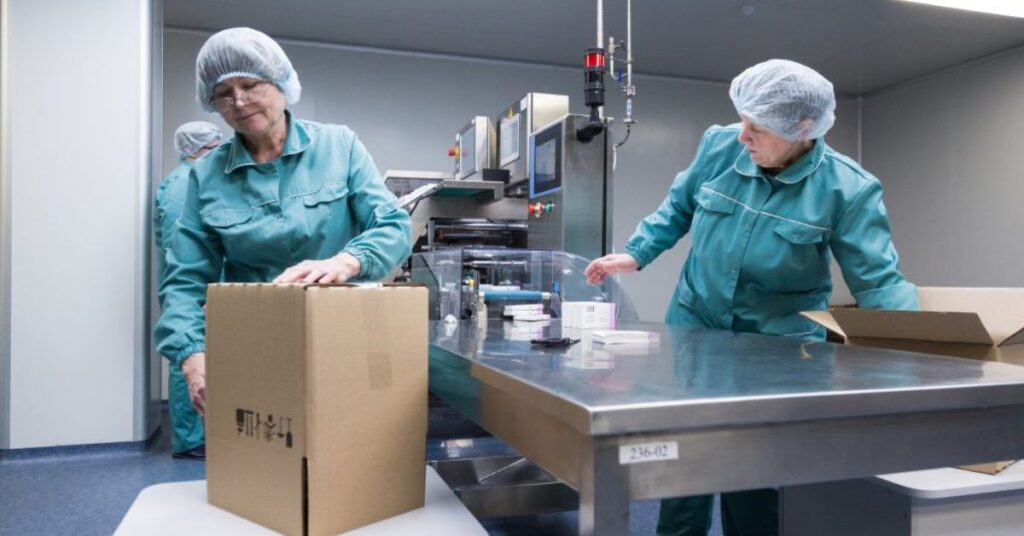
Temperature-controlled shipping plays a critical role in the pharmaceutical export industry. Medicines, vaccines, biologics, and healthcare products are highly sensitive to environmental conditions, especially temperature fluctuations. During international transportation, improper handling or exposure to extreme heat or cold can reduce the effectiveness of pharmaceutical products and even make them unsafe for use. This is why pharmaceutical companies rely on advanced cold chain logistics and temperature-controlled shipping systems to ensure product quality and patient safety across global markets.
Pharmaceutical products are often transported over long distances by air, sea, or road. During transit, these products may pass through different climates and storage facilities. Without proper temperature management, exposure to humidity, sunlight, or sudden temperature changes can damage active ingredients and reduce shelf life. Temperature-controlled shipping helps maintain a stable environment throughout the supply chain, ensuring that products remain within the required temperature range from manufacturing to final delivery.
One of the biggest advantages of temperature-controlled shipping is the protection of product integrity. Many pharmaceutical items, including vaccines, insulin, biologics, and speciality medicines, require strict storage conditions such as 2°C to 8°C or even frozen temperatures. Advanced refrigerated containers, insulated packaging, and cold storage facilities help maintain these conditions during export. Real-time temperature monitoring devices also allow logistics teams to track shipments continuously and respond immediately if any issues occur.
Cold chain logistics also helps pharmaceutical exporters comply with international regulations and quality standards. Regulatory authorities in different countries have strict guidelines for the transportation of pharmaceutical products. Failure to maintain proper temperature conditions can lead to shipment rejection, financial losses, or legal penalties. Temperature-controlled shipping ensures compliance with Good Distribution Practices (GDP) and other global pharmaceutical transport standards, helping exporters maintain trust and credibility in international markets.
Another important benefit is the reduction of product wastage. Pharmaceutical products are often expensive to manufacture and distribute. If products are damaged due to temperature excursions during export, companies may face significant losses. Temperature-controlled transportation minimises this risk by protecting products throughout the journey. This not only saves costs but also improves supply chain efficiency and customer satisfaction.
Modern technology has further improved the effectiveness of temperature-controlled pharmaceutical shipping. Smart sensors, GPS tracking systems, and data loggers provide real-time updates on shipment conditions. These technologies help companies monitor humidity, temperature, and transit conditions at every stage. In case of any deviation, immediate corrective actions can be taken to prevent product damage. Automated alerts and digital records also improve transparency and support regulatory compliance.
Packaging is another key element in temperature-controlled pharmaceutical exports. Specialised insulated boxes, gel packs, dry ice, and phase change materials are commonly used to maintain product stability. Proper packaging design ensures that medicines remain protected even during delays or unexpected transit conditions. Choosing the right packaging solution depends on the product type, shipping duration, and required storage temperature.
Temperature-controlled shipping is especially important after the global demand for vaccines and biologics increased significantly. The pharmaceutical industry now places greater emphasis on reliable cold chain infrastructure and logistics partnerships. Exporters who invest in advanced temperature-controlled shipping solutions can improve product safety, strengthen global distribution networks, and build long-term customer confidence.
Conclusion
Temperature-controlled shipping is essential for protecting pharmaceutical products during export. It helps maintain product quality, ensures regulatory compliance, reduces financial losses, and safeguards patient health. With the growing demand for sensitive medicines and biologics worldwide, reliable cold chain logistics has become a key factor in successful pharmaceutical exports. By using advanced monitoring systems, specialised packaging, and efficient transportation methods, pharmaceutical companies can ensure their products reach global markets safely and effectively.