
Growing Global Demand for Oncology Medicines in International Markets
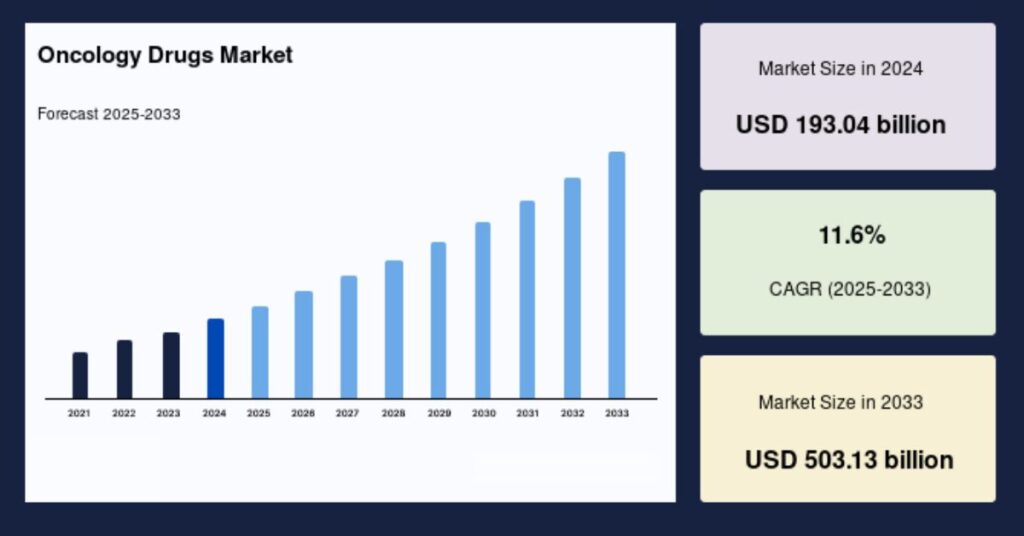
The global demand for oncology medicines has increased rapidly in recent years due to the rising number of cancer cases worldwide. Oncology medicines such as Doxorubicin Injection, Vincristine Injection, and Geftinat Tablets are specialised drugs used for the prevention, diagnosis, and treatment of different types of cancer. As healthcare systems continue to improve and awareness about early cancer detection grows, international markets are experiencing a significant rise in the need for advanced cancer therapies. This growing demand has created major opportunities for pharmaceutical manufacturers, exporters, and healthcare providers across the globe.
Cancer has become one of the leading causes of death worldwide, increasing the need for effective cancer treatment options. Factors such as ageing populations, unhealthy lifestyles, environmental pollution, smoking, and genetic conditions have contributed to the growing number of cancer patients. As a result, hospitals, clinics, and healthcare organisations are investing heavily in oncology medicines to improve patient outcomes and survival rates.
One of the key drivers behind the rising demand for oncology medicines is the advancement in pharmaceutical research and biotechnology. Modern cancer treatments now include targeted therapies, immunotherapy, hormone therapy, and precision medicines that offer better effectiveness with fewer side effects compared to traditional chemotherapy. These innovations have transformed cancer care and increased the demand for specialised oncology drugs in developed and emerging markets alike.
International markets such as North America, Europe, Asia-Pacific, the Middle East, and Africa are witnessing strong growth in oncology drug imports and exports. Developing countries are especially increasing investments in cancer treatment infrastructure and healthcare services. Governments and healthcare organisations are focusing on improving access to life-saving oncology medicines, creating new opportunities for global pharmaceutical exporters.
The expansion of healthcare insurance coverage and government cancer awareness programmes has also contributed to market growth. Many countries are introducing initiatives to support cancer screening, diagnosis, and affordable treatment. This has increased patient access to oncology medicines and encouraged pharmaceutical companies to expand their global distribution networks.
Another important factor driving international demand is the increasing adoption of generic oncology medicines. Generic cancer drugs provide cost-effective treatment options while maintaining quality and effectiveness. Many pharmaceutical exporters are focusing on supplying high-quality generic oncology medicines to countries where affordable healthcare solutions are needed. This trend is helping improve cancer treatment accessibility in low- and middle-income regions.
Cold chain logistics and temperature-controlled shipping have become essential in the oncology pharmaceutical sector. Many oncology medicines, especially biologics and injectable therapies, require strict temperature management during storage and transportation. Reliable cold chain infrastructure ensures product safety, maintains drug stability, and supports compliance with international pharmaceutical regulations during export.
Technology is also playing an important role in the growth of the oncology pharmaceutical market. Artificial intelligence, data analytics, and personalised medicine approaches are helping researchers develop more targeted cancer therapies. Pharmaceutical companies are investing heavily in clinical research and innovation to meet the increasing global demand for advanced oncology treatments.
Despite the strong growth opportunities, the oncology pharmaceutical industry also faces challenges such as high research costs, regulatory complexities, and supply chain management issues. Companies involved in international oncology medicine exports must maintain strict quality standards, regulatory compliance, and efficient logistics systems to compete successfully in global markets.
Conclusion
The demand for oncology medicines in international markets continues to grow due to rising cancer cases, healthcare advancements, and increased access to modern treatment options. Innovations in targeted therapies, generic medicines, and biotechnology are transforming cancer care worldwide. As global healthcare systems focus more on effective cancer treatment, pharmaceutical companies and exporters have significant opportunities to expand their presence in the international oncology market. Reliable supply chains, advanced research, and strong regulatory compliance will remain essential for meeting the future demand for oncology medicines globally.