
The Importance of Liver Health and Modern Treatment Options
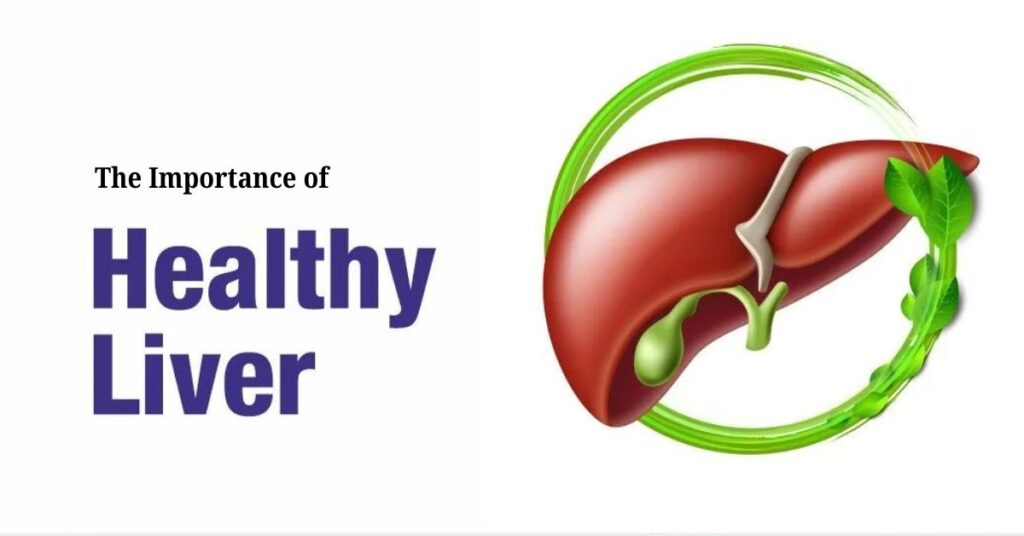
The liver is one of the most vital organs in the human body, responsible for detoxification, metabolism, and nutrient storage. Poor lifestyle habits, alcohol consumption, viral infections, and certain medications can lead to liver damage over time.
Common liver conditions include fatty liver disease, hepatitis, and cirrhosis. Symptoms may include fatigue, abdominal pain, jaundice, and loss of appetite. Early diagnosis and treatment are essential to prevent permanent liver damage.
Medical treatments and supportive therapies help protect liver cells and improve overall liver function. Nutritional supplements and supportive medicines are often recommended to support liver recovery.
Maintaining a healthy diet, avoiding alcohol, and regular medical checkups can help reduce the risk of liver disease. Doctors may also prescribe medications to manage inflammation and prevent complications.
Some supportive pharmaceutical treatments include Alpha Ketoanalogue Tablets, Vitamin C Injection, POLYBCOM Vitamin B12 Injection, and Cerebrolysin Injection, which may help support overall metabolic and nutritional health.
Regular liver function tests and medical evaluations are also important for monitoring liver health. These tests help doctors detect abnormalities early and adjust treatment plans accordingly. Early intervention can prevent further damage and improve long-term outcomes for patients with liver-related conditions.
In addition to medical treatment, lifestyle changes such as maintaining a healthy body weight, staying physically active, and following a balanced diet rich in fruits and vegetables can significantly improve liver health. Avoiding processed foods and limiting exposure to harmful toxins also play an important role in protecting liver function.
Conclusion
Maintaining liver health is essential for overall well-being. Early diagnosis, proper treatment, and healthy lifestyle choices can significantly reduce the risk of serious liver diseases.