
Understanding Pulmonary Hypertension and Its Treatment
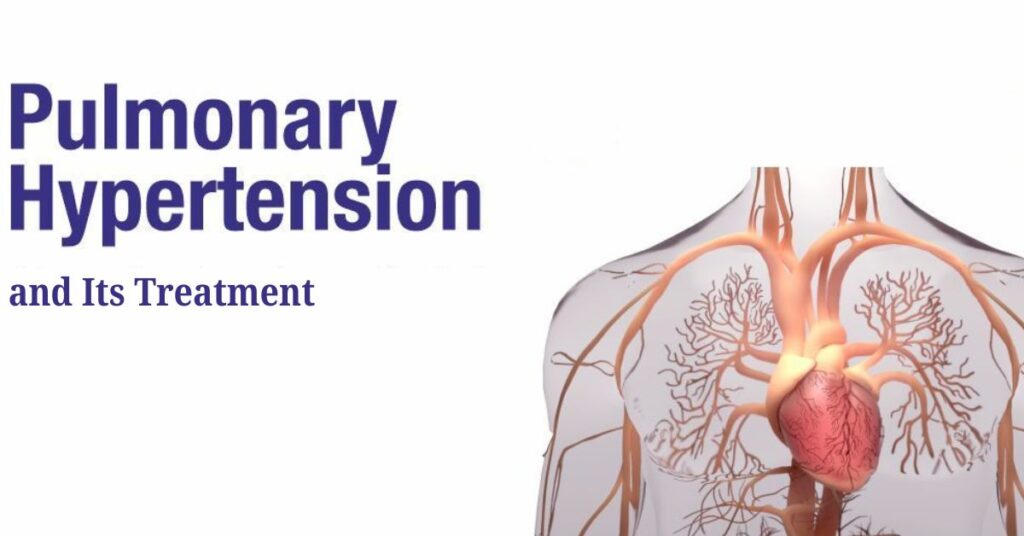
Pulmonary hypertension is a serious condition characterized by high blood pressure in the arteries of the lungs. This condition makes it difficult for the heart to pump blood efficiently, leading to fatigue, shortness of breath, and chest pain.
The disease may develop due to heart conditions, lung diseases, genetic factors, or blood clots in the lungs. If left untreated, pulmonary hypertension can lead to heart failure and other serious complications.
Medical treatment focuses on improving blood flow in the pulmonary arteries and reducing pressure in the lungs. One commonly prescribed medication for this condition is the Bosentan 62.5 mg tablet, which helps relax blood vessels and improve circulation.
Doctors may also recommend lifestyle adjustments such as reducing salt intake, avoiding smoking, and engaging in moderate physical activity to manage symptoms.
Related pharmaceutical treatments include Bosentan 62.5mg Tablet, Fondaflo 2.5 Injection, Denosumab 60mg Injection, and Zoledronic Acid Injection, available through global pharmaceutical suppliers.
Regular monitoring and follow-up with healthcare professionals are essential for managing pulmonary hypertension. Doctors may adjust medications over time depending on the patient’s response to treatment and overall health condition.
In addition to medication, patients are often advised to maintain a heart-healthy lifestyle that includes balanced nutrition, stress management, and regular medical check-ups. These measures can help slow disease progression and improve overall cardiovascular health.
Conclusion
Pulmonary hypertension requires early diagnosis and long-term management. With appropriate medications and lifestyle adjustments, patients can improve their quality of life and reduce complications.