
Understanding Autoimmune Diseases: Causes and Modern Treatments
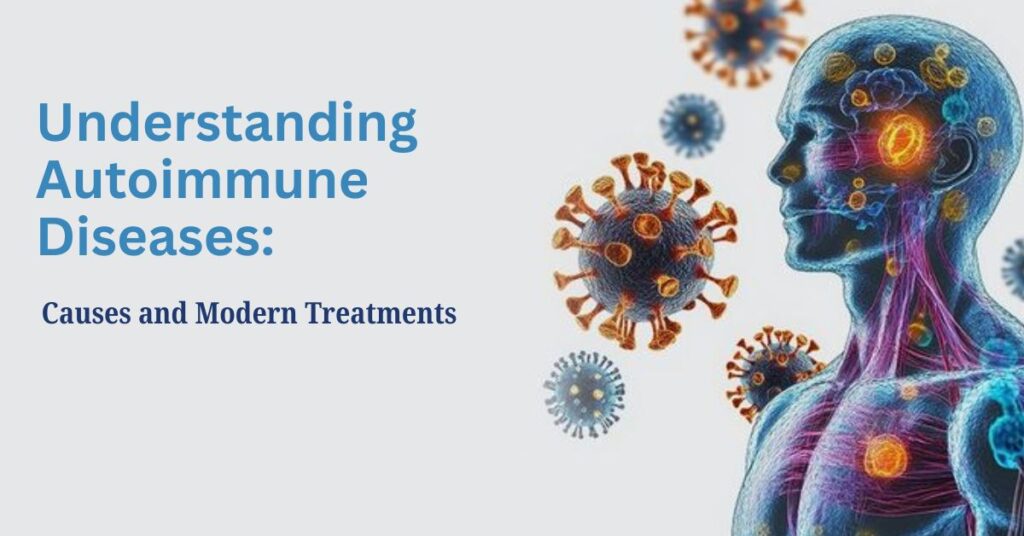
Autoimmune diseases occur when the body’s immune system mistakenly attacks its own healthy cells, tissues, or organs. Normally, the immune system protects us from harmful invaders like bacteria and viruses, but in autoimmune conditions, this defense mechanism becomes overactive and confused. Common examples include rheumatoid arthritis, lupus, and type 1 diabetes. These conditions can affect different parts of the body and vary widely in severity.
The exact cause of autoimmune diseases is not fully understood, but experts believe they result from a combination of genetic and environmental factors. A family history of autoimmune conditions may increase the risk, while triggers such as infections, stress, poor diet, or exposure to toxins can activate the immune response. Hormonal influences also play a role, which is why many autoimmune diseases are more common in women than men.
Symptoms of autoimmune diseases can vary by condition but often include fatigue, joint pain, inflammation, skin problems, and fever. These symptoms may come and go, making diagnosis challenging. In many cases, early detection is crucial to prevent long-term organ damage and improve quality of life. Healthcare professionals use blood tests, imaging, and clinical evaluations to identify specific autoimmune disorders.
Modern treatments for autoimmune diseases focus on managing symptoms and controlling the immune system’s abnormal response. Medications such as anti-inflammatory drugs, corticosteroids, and immunosuppressants are commonly used. In some cases, advanced therapies like biologics target specific parts of the immune system to reduce inflammation and slow disease progression. Lifestyle changes, including a balanced diet, regular exercise, and stress management, also play an important role in treatment.
Recent advancements in medical research have improved the outlook for people living with autoimmune diseases. Personalized medicine and targeted therapies are helping doctors create more effective treatment plans with fewer side effects. Researchers are also exploring new approaches, including stem cell therapy and immune system modulation, to provide long-term relief and possibly even cures in the future.
Conclusion:
Autoimmune diseases are complex conditions that require careful management and ongoing care. While there is no universal cure yet, early diagnosis and modern treatments can significantly improve patient outcomes. By staying informed and adopting a healthy lifestyle, individuals can better manage their condition and lead fulfilling lives.