
Understanding Migraine: Causes, Triggers, and Treatment
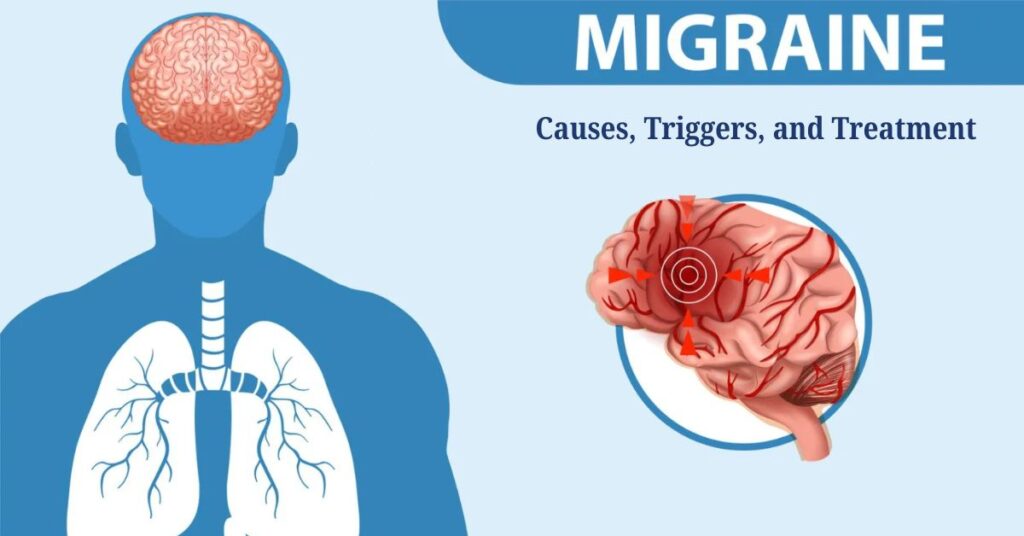
Migraines are a neurological condition characterized by intense, recurring headaches that can significantly impact daily life. Unlike regular headaches, migraines are often accompanied by symptoms such as nausea, vomiting, sensitivity to light and sound, and visual disturbances known as “aura.” These episodes can last for hours or even days, making proper management essential for improving quality of life.
The exact cause of migraines is not fully understood, but they are believed to involve abnormal brain activity that affects nerve signals, chemicals, and blood vessels in the brain. Genetics also plays a role, as individuals with a family history of migraines are more likely to experience them. Hormonal changes, particularly in women, can also trigger migraine attacks.
Migraine triggers vary from person to person, but common factors include stress, lack of sleep, dehydration, certain foods (such as caffeine, chocolate, and processed foods), and environmental factors like bright lights or strong smells. Identifying and avoiding these triggers is a key step in preventing migraine episodes.
Symptoms of migraines typically include throbbing pain on one side of the head, sensitivity to light and noise, nausea, and visual disturbances. Some individuals may experience warning signs before an attack, such as mood changes, fatigue, or food cravings. Early recognition of symptoms allows for timely treatment and better control of the condition.
Treatment for migraines focuses on relieving symptoms and preventing future attacks. Medications may include pain relievers, anti-inflammatory drugs, and preventive therapies. In some cases, supportive treatments are recommended to improve overall health and reduce the frequency of migraines.
For individuals experiencing fatigue or nerve-related symptoms, treatments such as
POLYBCOM Vitamin B12 Injection may help support nerve function and improve energy levels. Antioxidant therapies like these can help reduce oxidative stress, which may contribute to migraine triggers.
Additionally, immune and overall health support through vitamin C injection may help strengthen the body’s resilience against triggers. In cases where migraines are associated with hormonal imbalance, treatments are considered under medical supervision.
Lifestyle management plays a crucial role in migraine prevention. Maintaining a regular sleep schedule, staying hydrated, managing stress through relaxation techniques, and following a balanced diet can significantly reduce the frequency and severity of migraine attacks.
Conclusion
Migraines are a complex neurological condition that can greatly affect daily life, but with proper understanding and management, they can be controlled effectively. Identifying triggers, following appropriate treatment plans, and adopting a healthy lifestyle can help reduce the frequency and intensity of migraine episodes. With the right combination of medical care and preventive strategies, individuals can lead a more comfortable and productive life.